SR25
Project Overview
Key Contributions
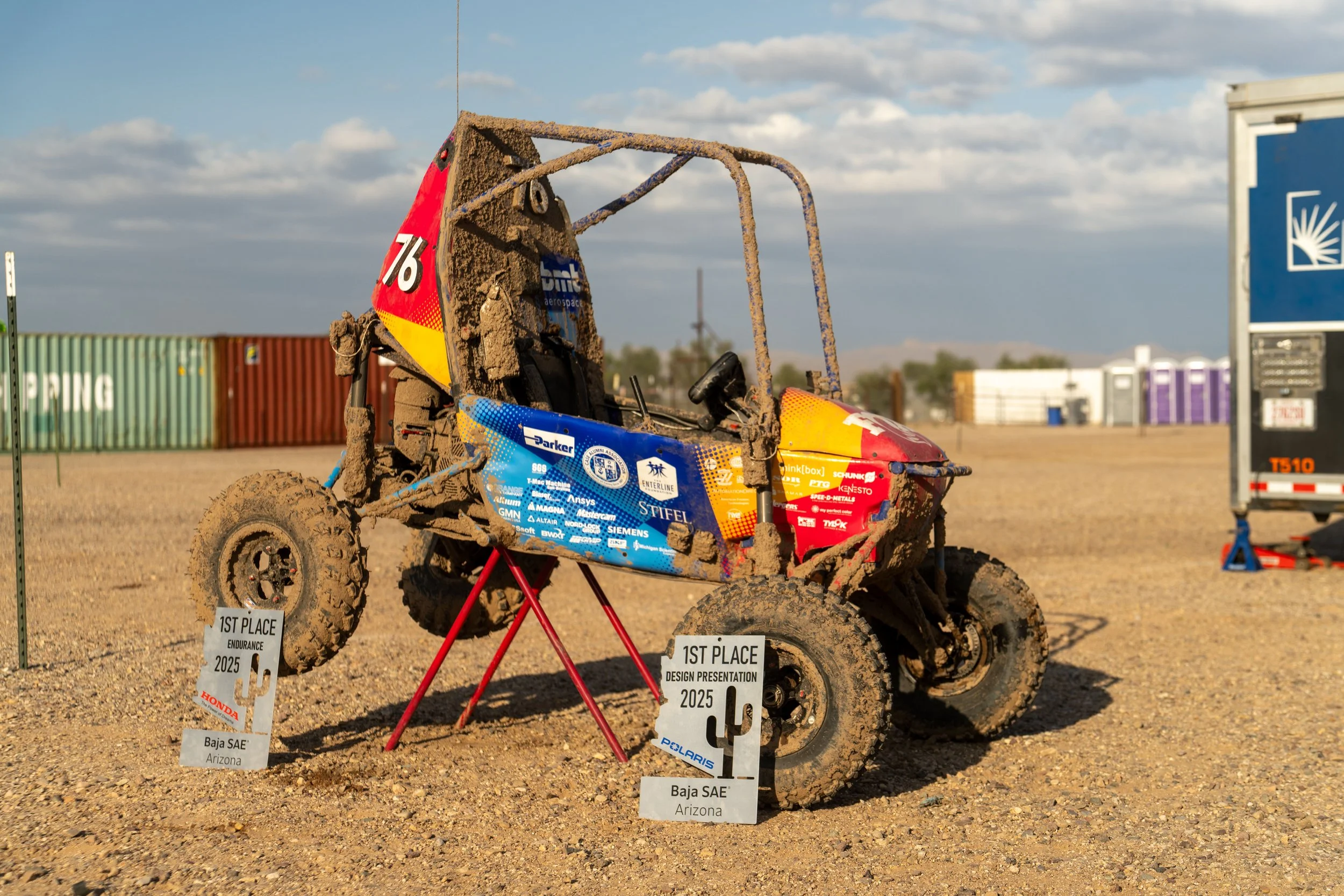
Competition Results
SR25 Baja SAE
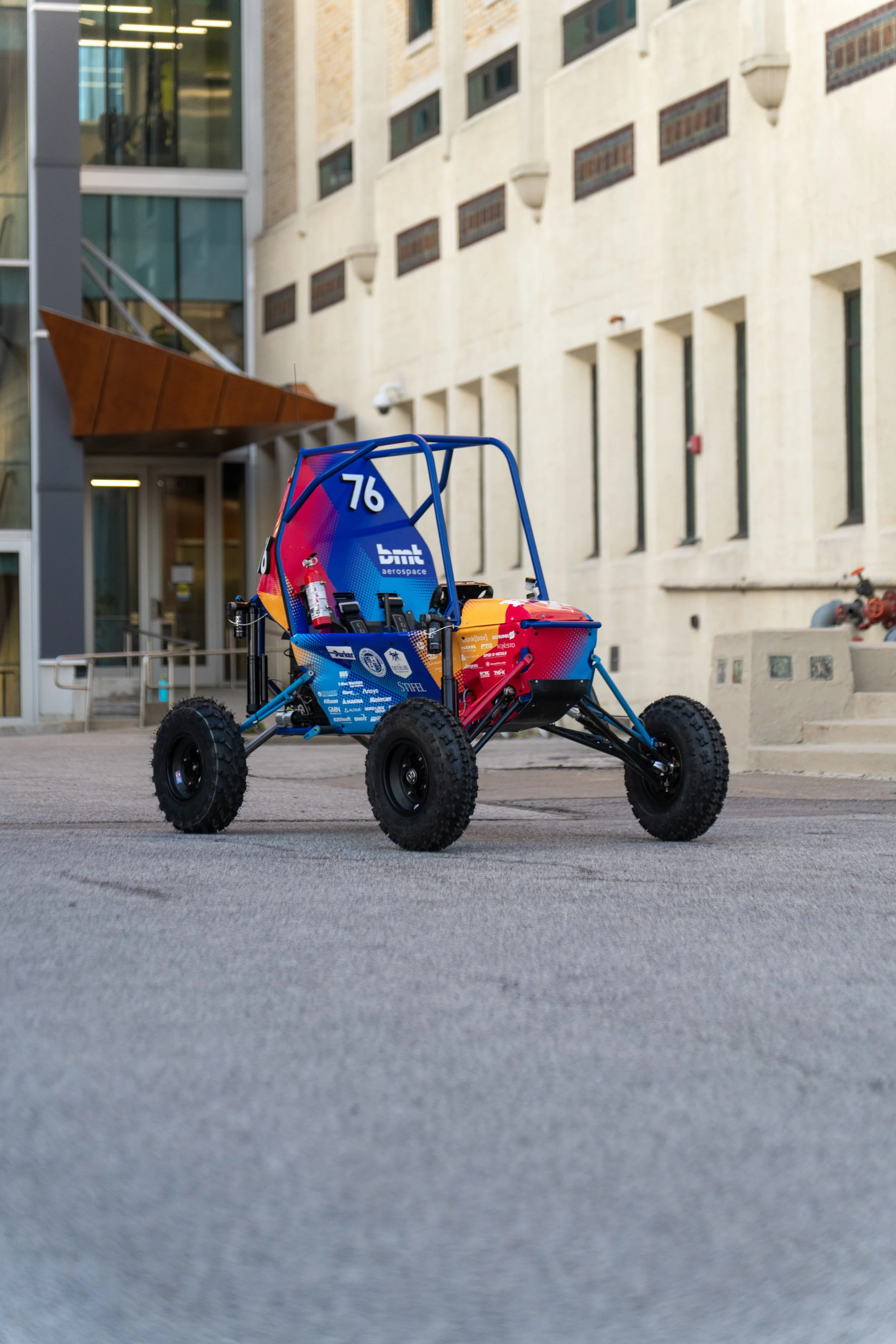
As Brakes and Throttle Lead for CWRU Motorsports during the 2024–2025 Baja SAE season, I was responsible for leading the design, analysis, manufacturing, and validation of the vehicle's complete braking system. My primary objective was to improve braking performance, simplify maintenance, and increase overall system reliability while ensuring compliance with SAE Baja competition requirements.
Throughout the season, I led the redesign of multiple braking system components, collaborated with industry partners to validate our designs through dynamometer testing, and coordinated subsystem analysis and manufacturing. These improvements contributed to the team's most successful season in program history, delivering CWRU Motorsports' first-ever victories in both the Design and Endurance events.
Brake System Redesign
Rear Brake Caliper
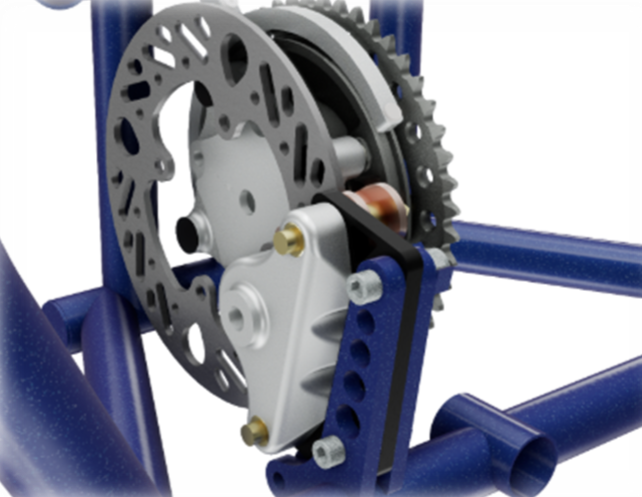
The most significant redesign focused on the rear braking system. I replaced the previous single-piston floating caliper with a fixed quad-piston caliper that integrated directly onto the gearbox housing. This eliminated the external mounting bracket used in previous designs, significantly improving packaging, increasing system stiffness, and greatly simplifying maintenance and serviceability.
Front Brake System
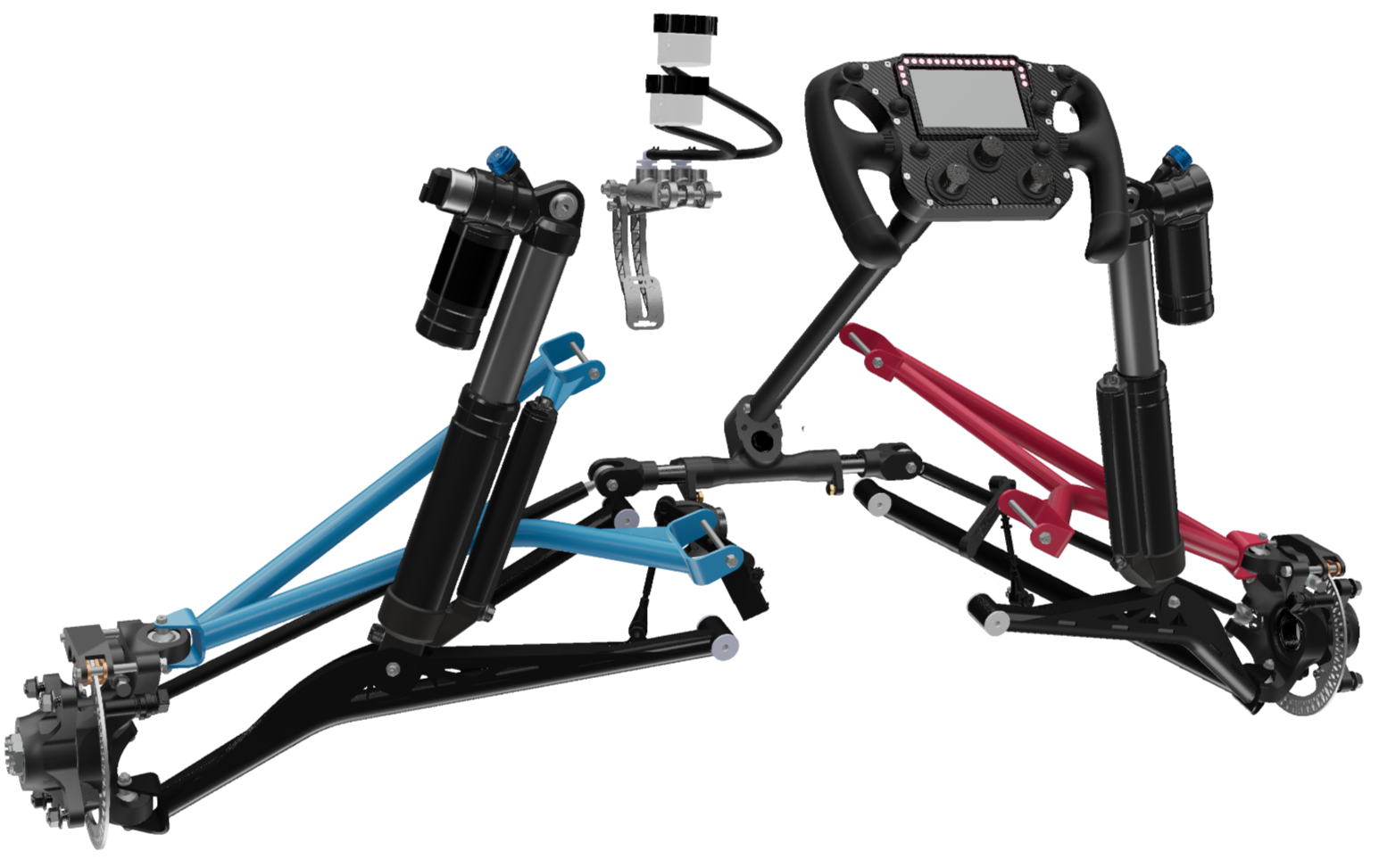
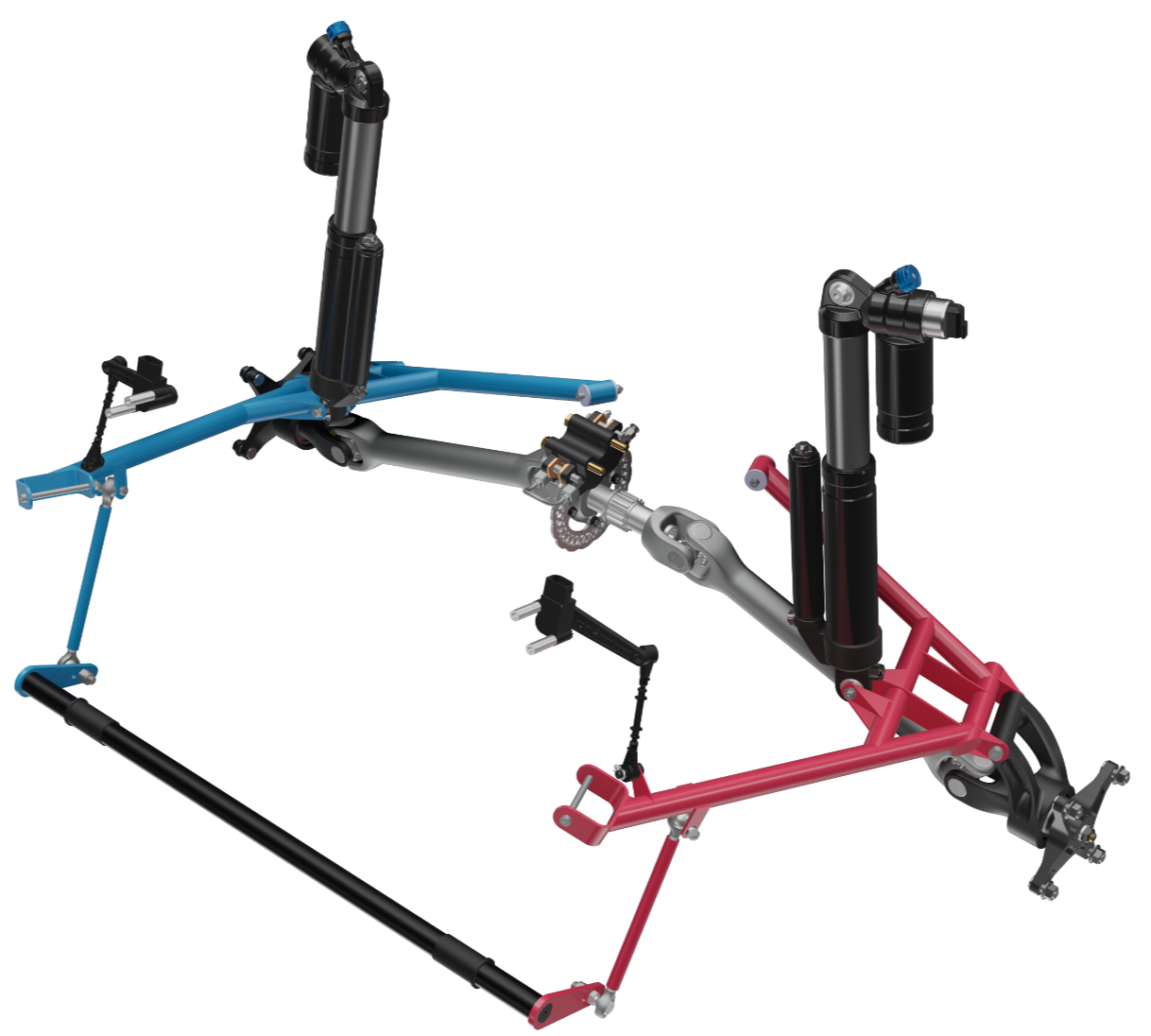
Working closely with the front suspension team, I helped transition the front brakes to dual-piston floating calipers. This improved outboard packaging, increased braking torque, and provided greater flexibility for suspension and wheel integration.
Design Validation
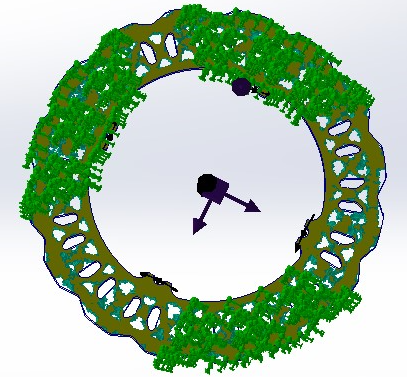
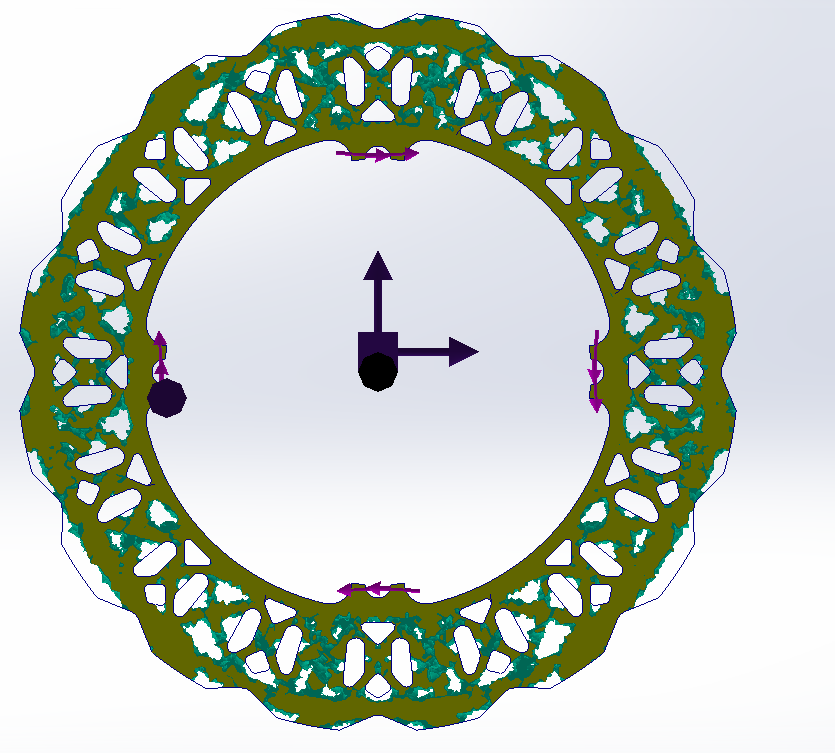
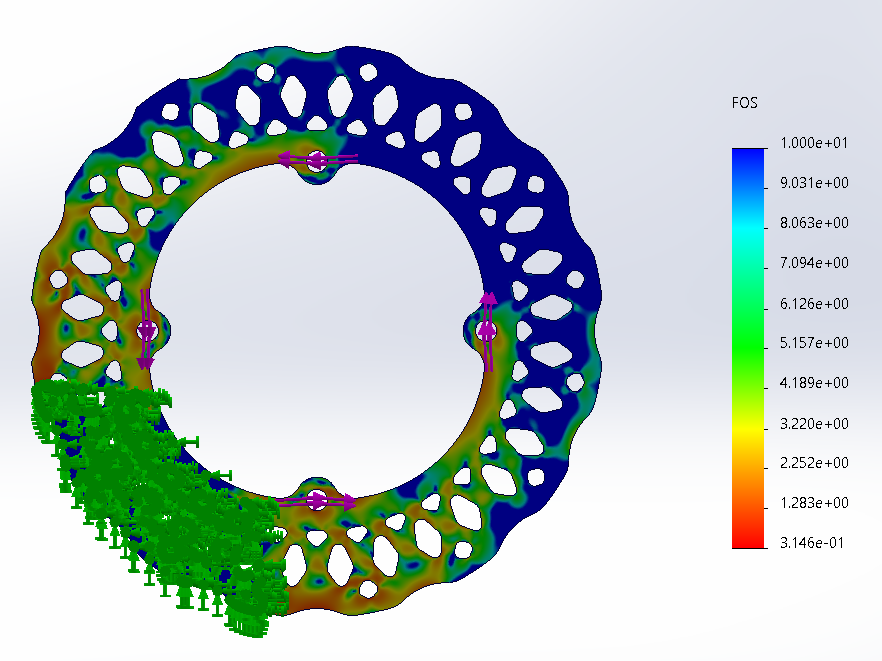
Brake sizing and hydraulic performance were validated through extensive analytical calculations to ensure all design requirements were satisfied before manufacturing. Finite Element Analysis (FEA) was performed on every major brake component, while assembly-level simulations were completed to verify structural integrity under braking loads.
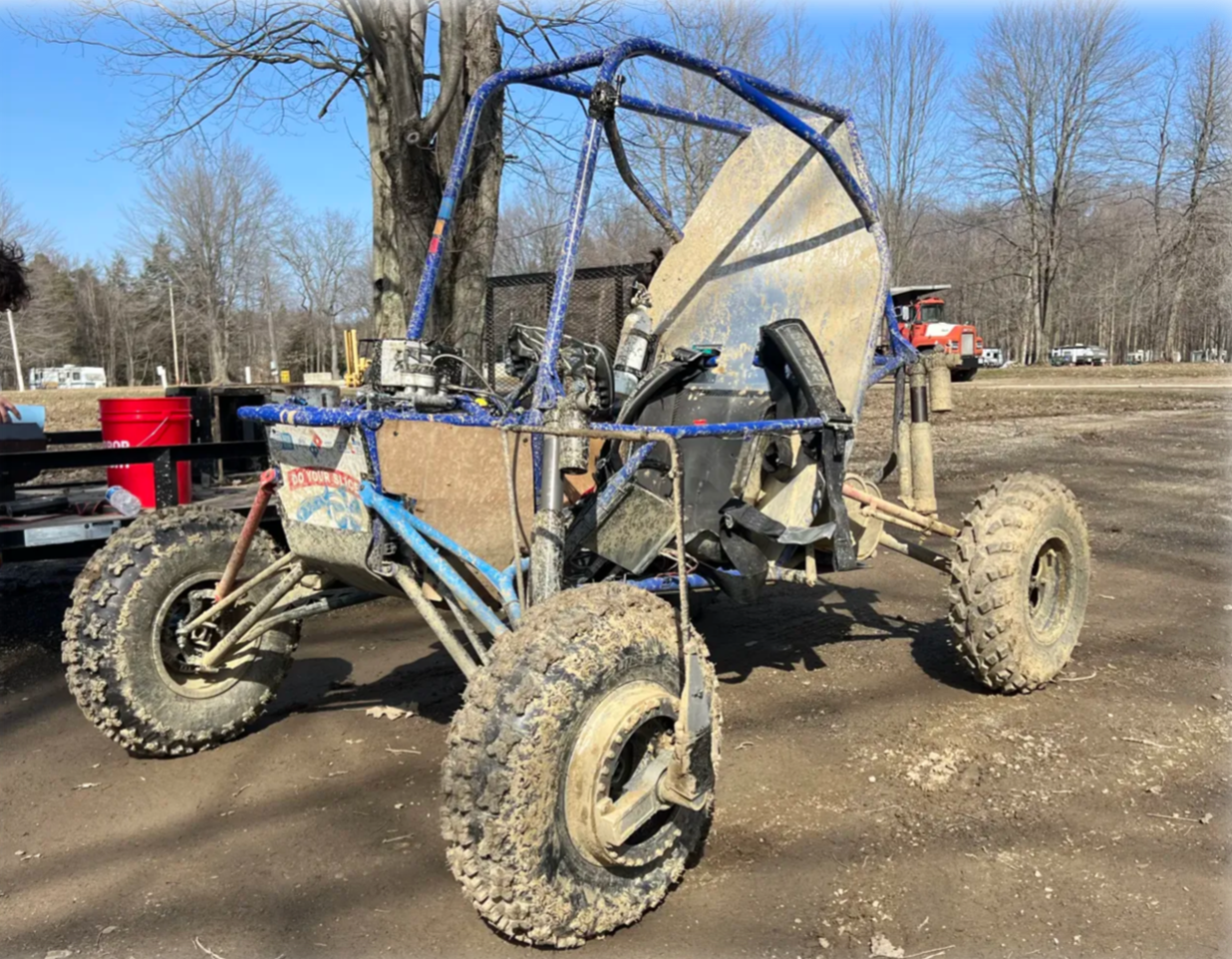
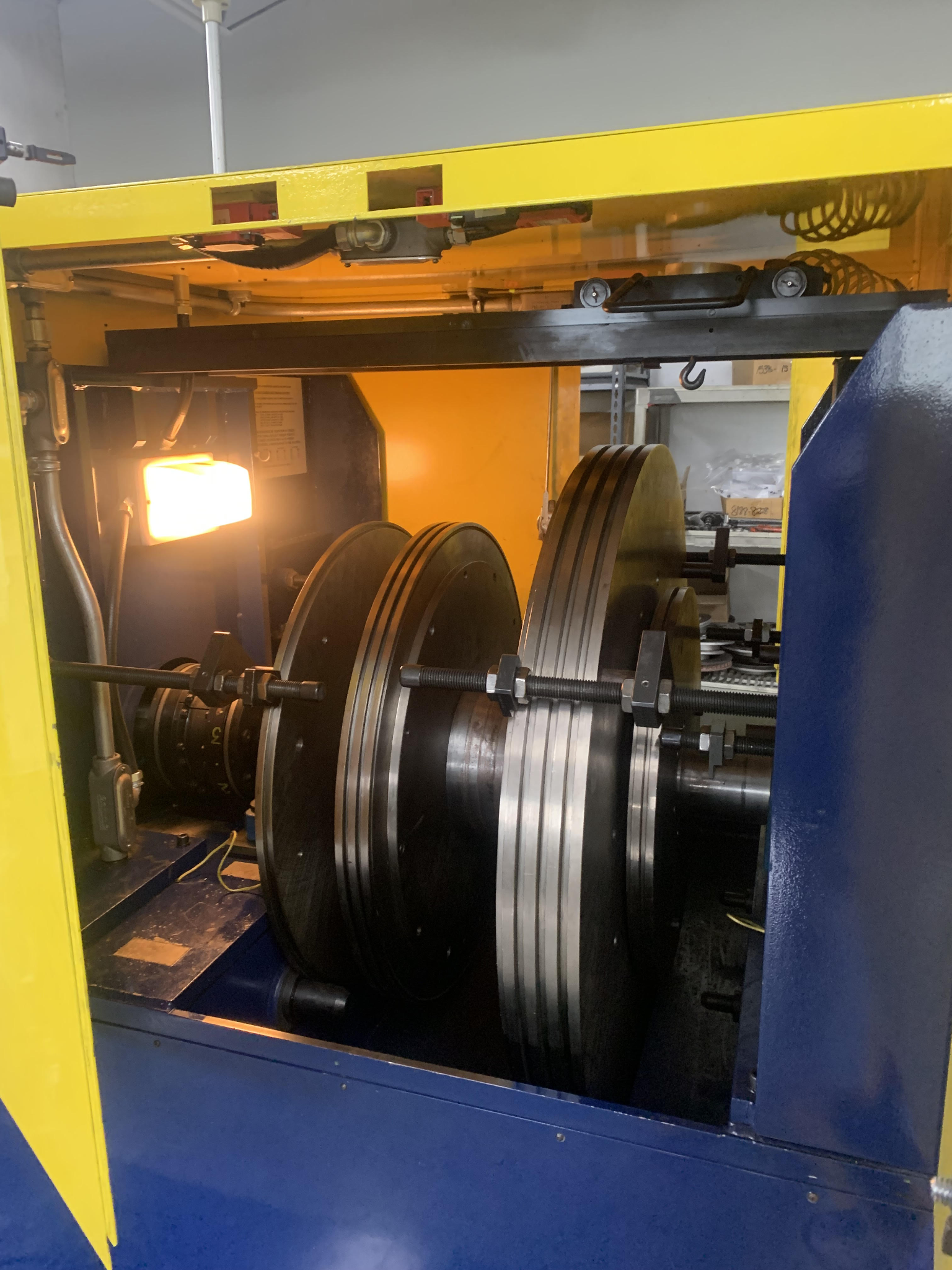
To further validate the system, I partnered with American Friction Technologies to perform dynamometer testing on both brake rotors and calipers, generating performance data that directly informed future design improvements. I also helped lead vehicle data acquisition using a Michigan Scientific Wheel Force Transducer (WFT), allowing real-world braking loads to be compared against analytical predictions.
Engineering Leadership
Beyond the technical design work, I managed the brakes subsystem throughout the season, coordinating design reviews, manufacturing, testing, and competition preparation. I also represented the subsystem during SAE Design Judging, presenting our engineering decisions and validation process to industry judges.
SR24 Rear caliper
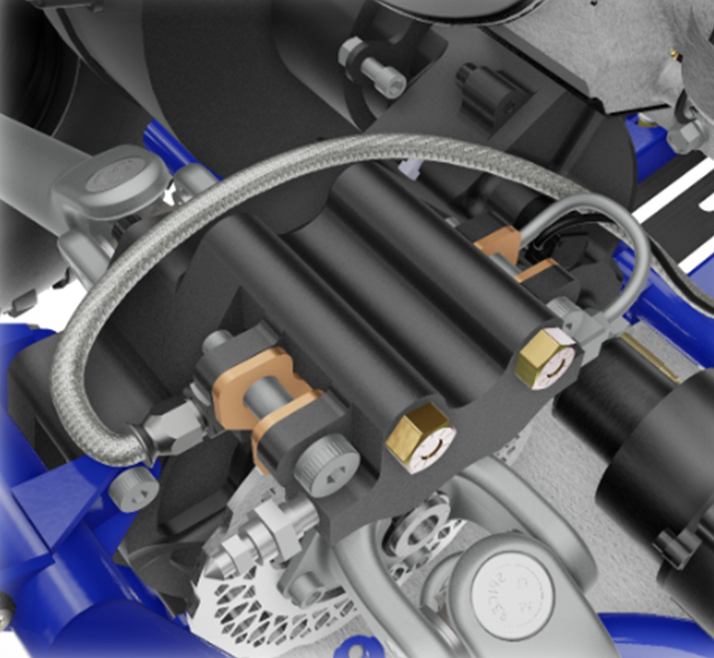
SR25 Rear caliper
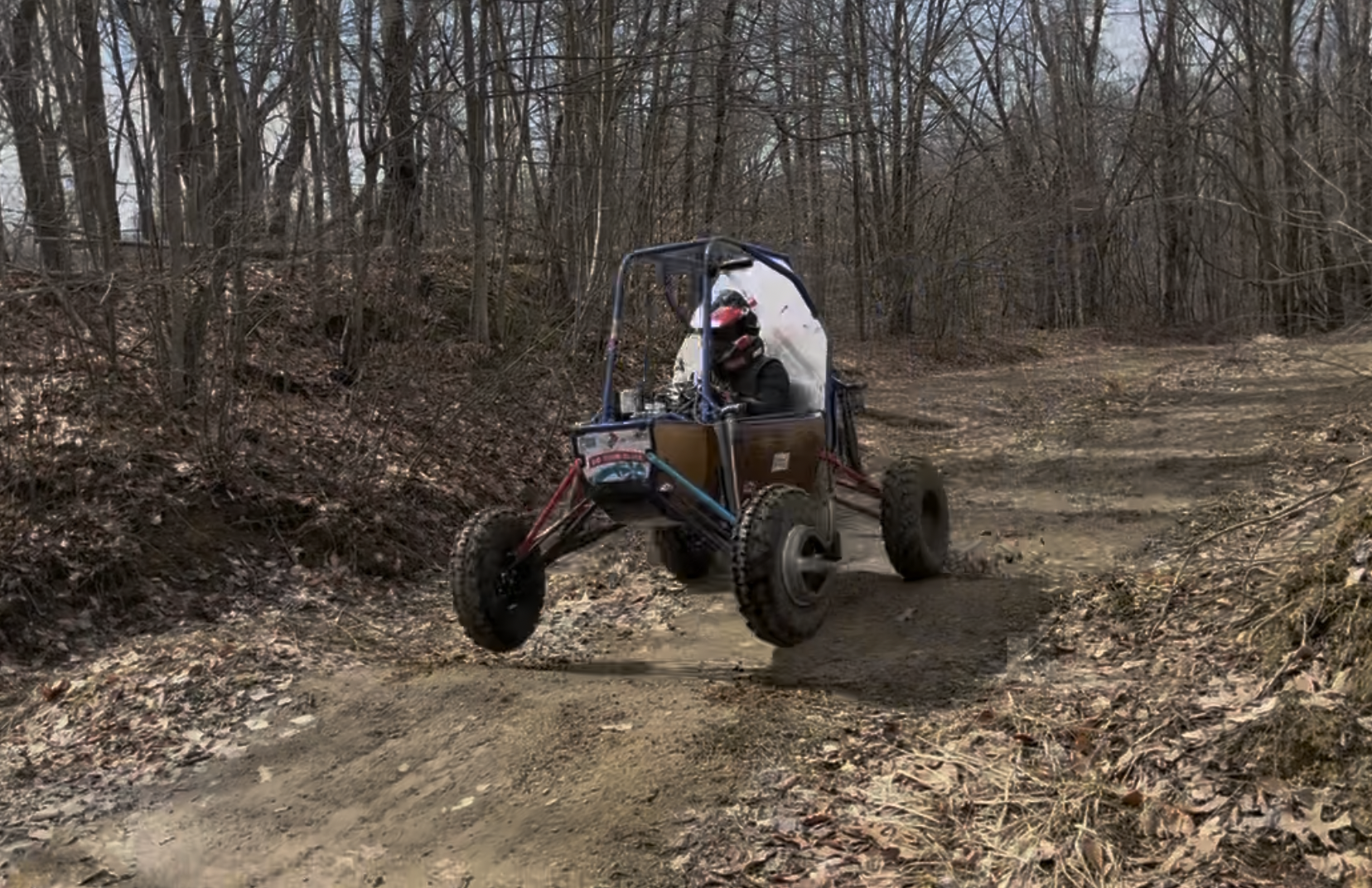
Wheel Force Transducer testing
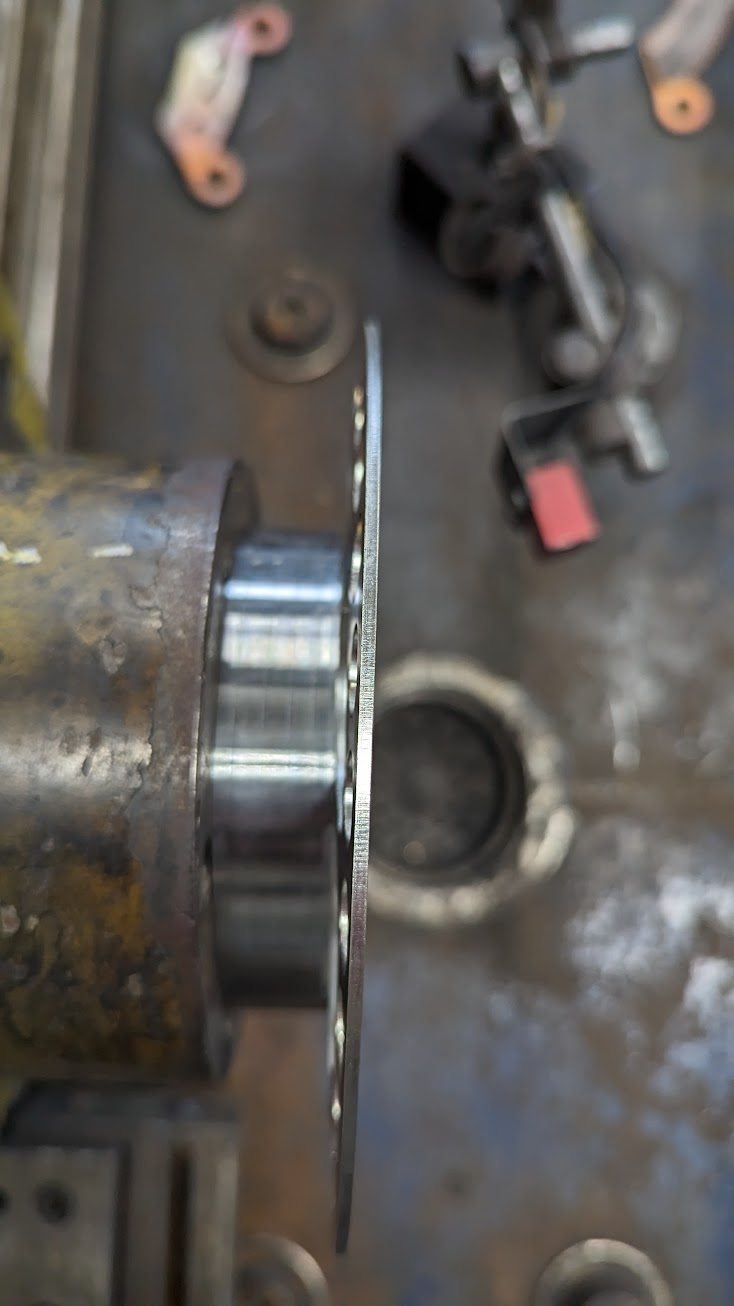
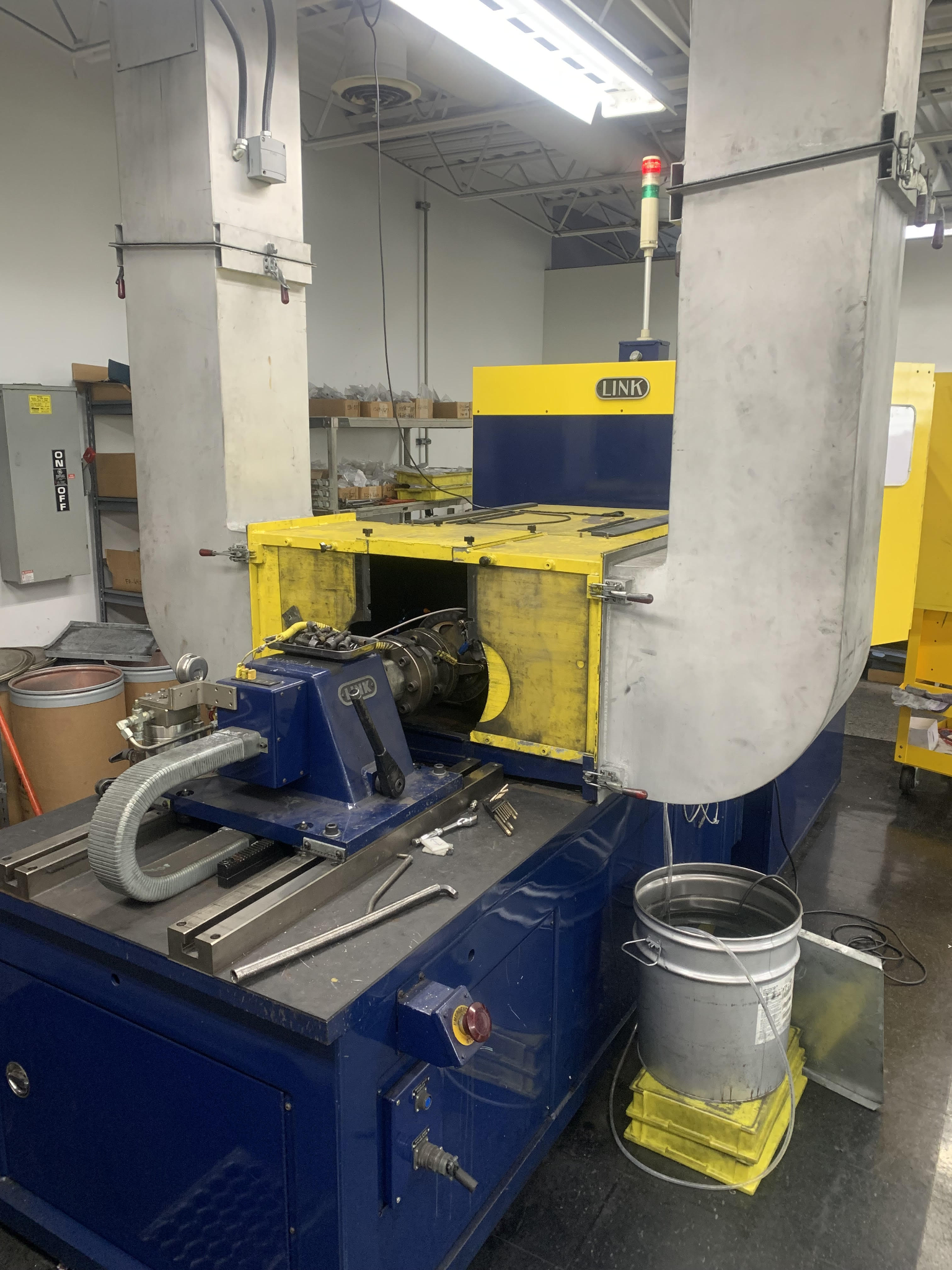
Brake Dyno testing at American Friction
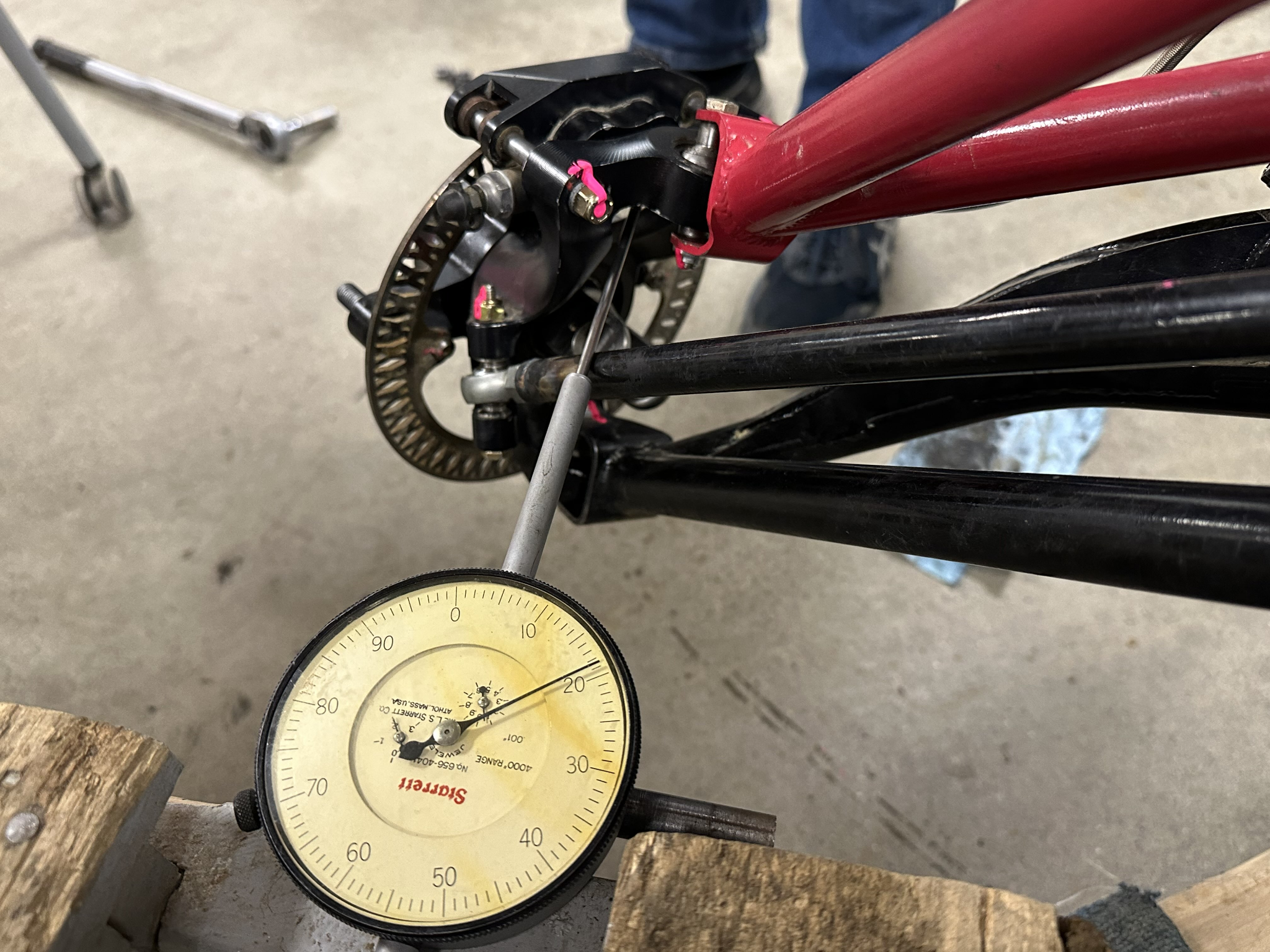
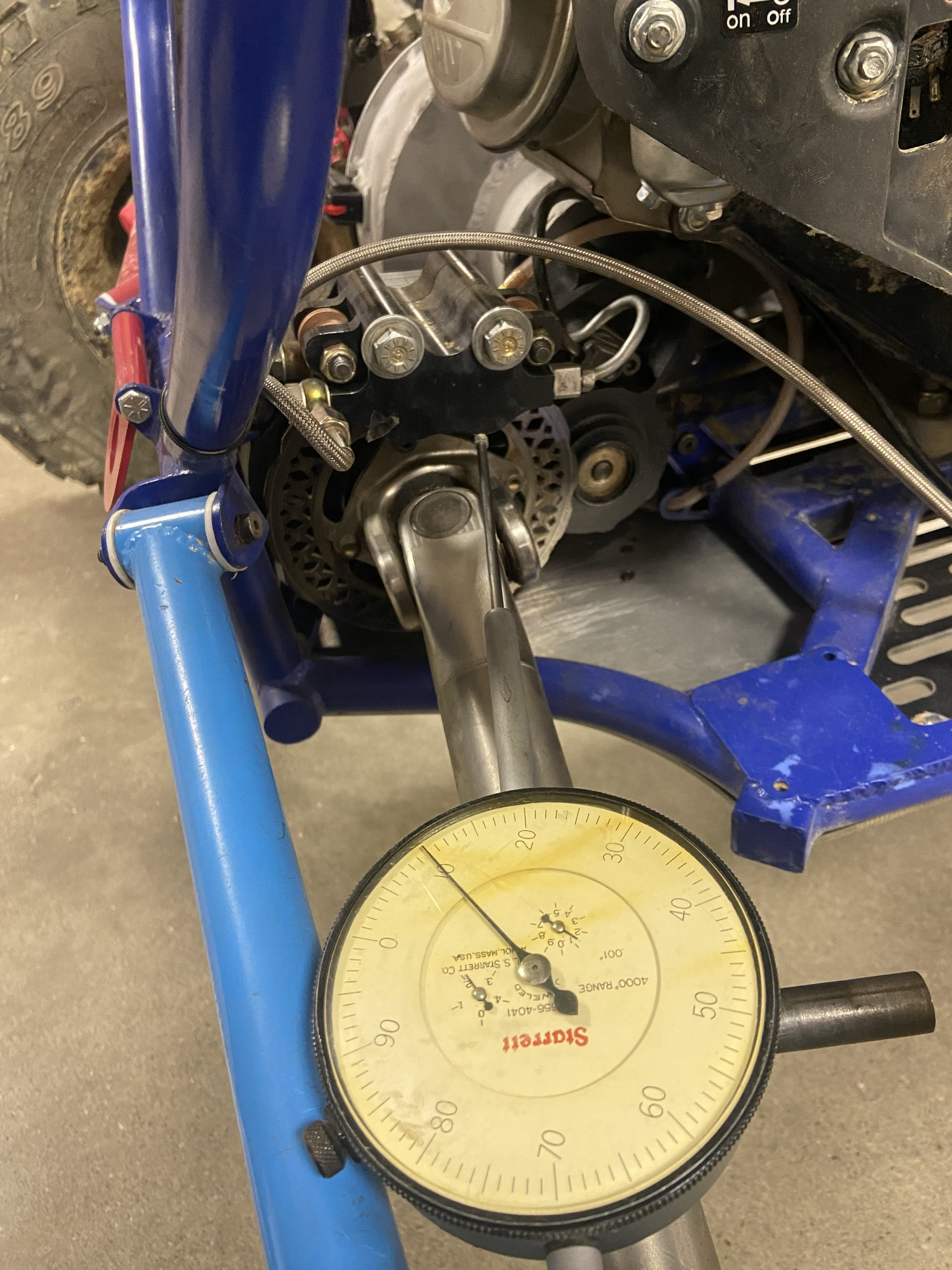
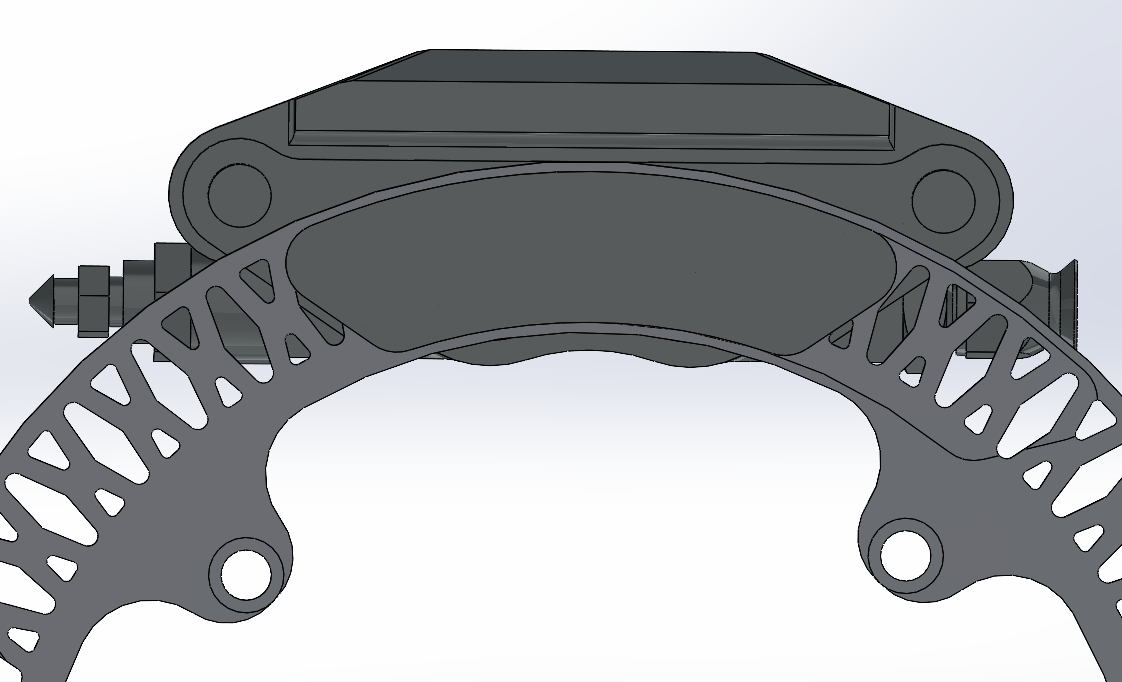
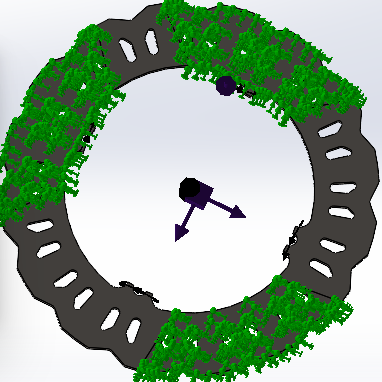
Topology Optimisation on Rear Rotor