SR26
Project Overview
Engineering Contributions
Season Highlights
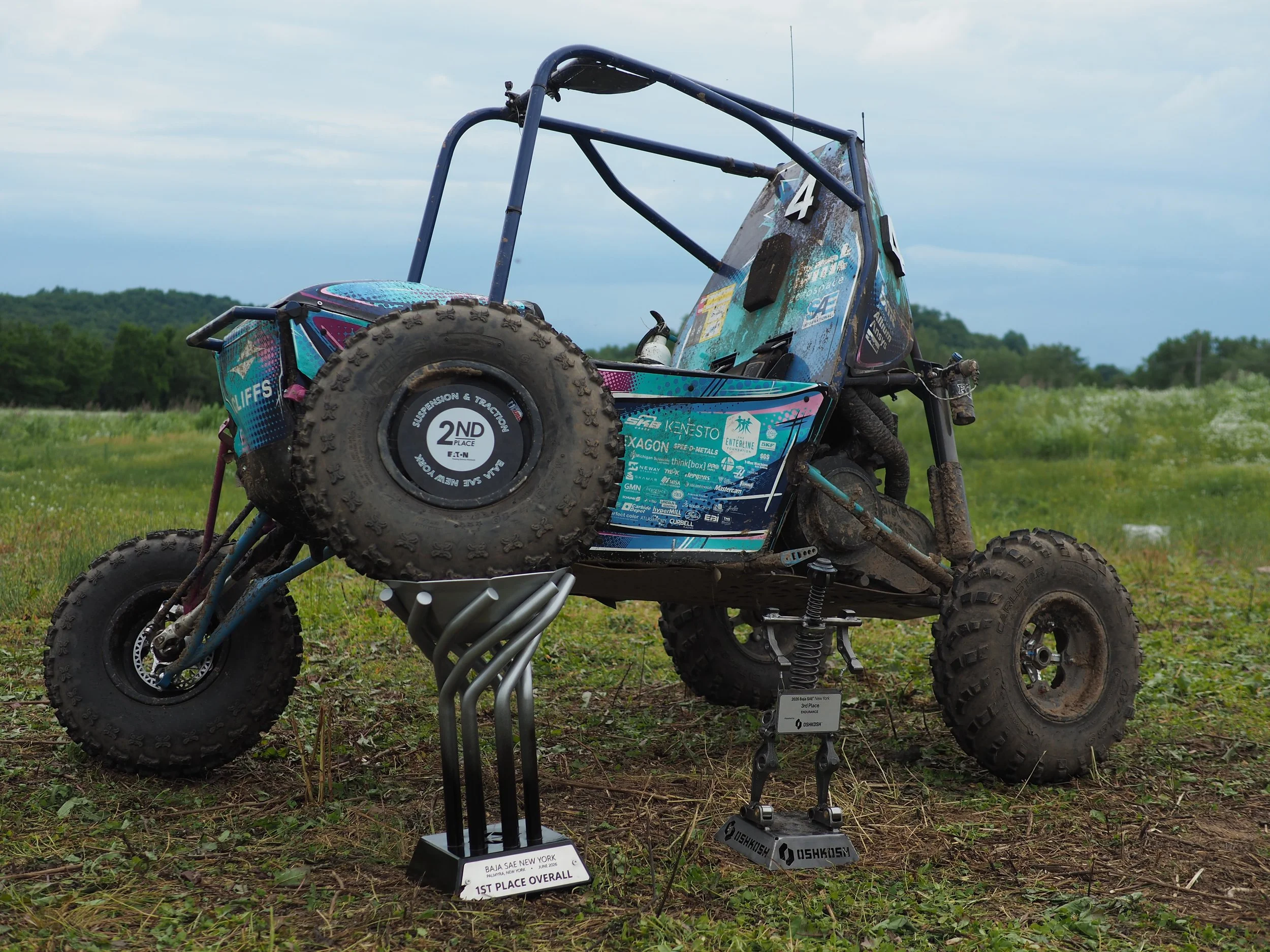
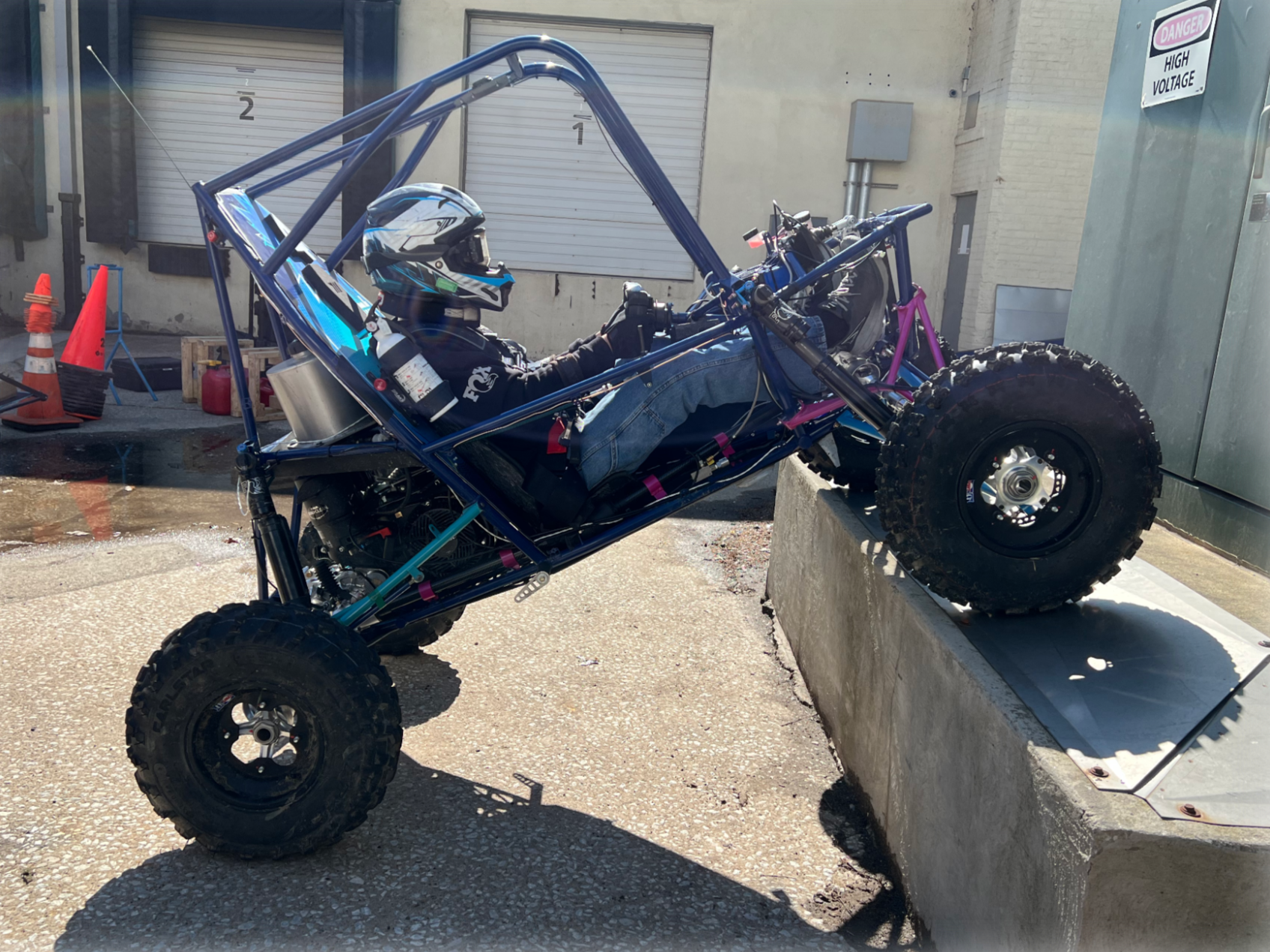
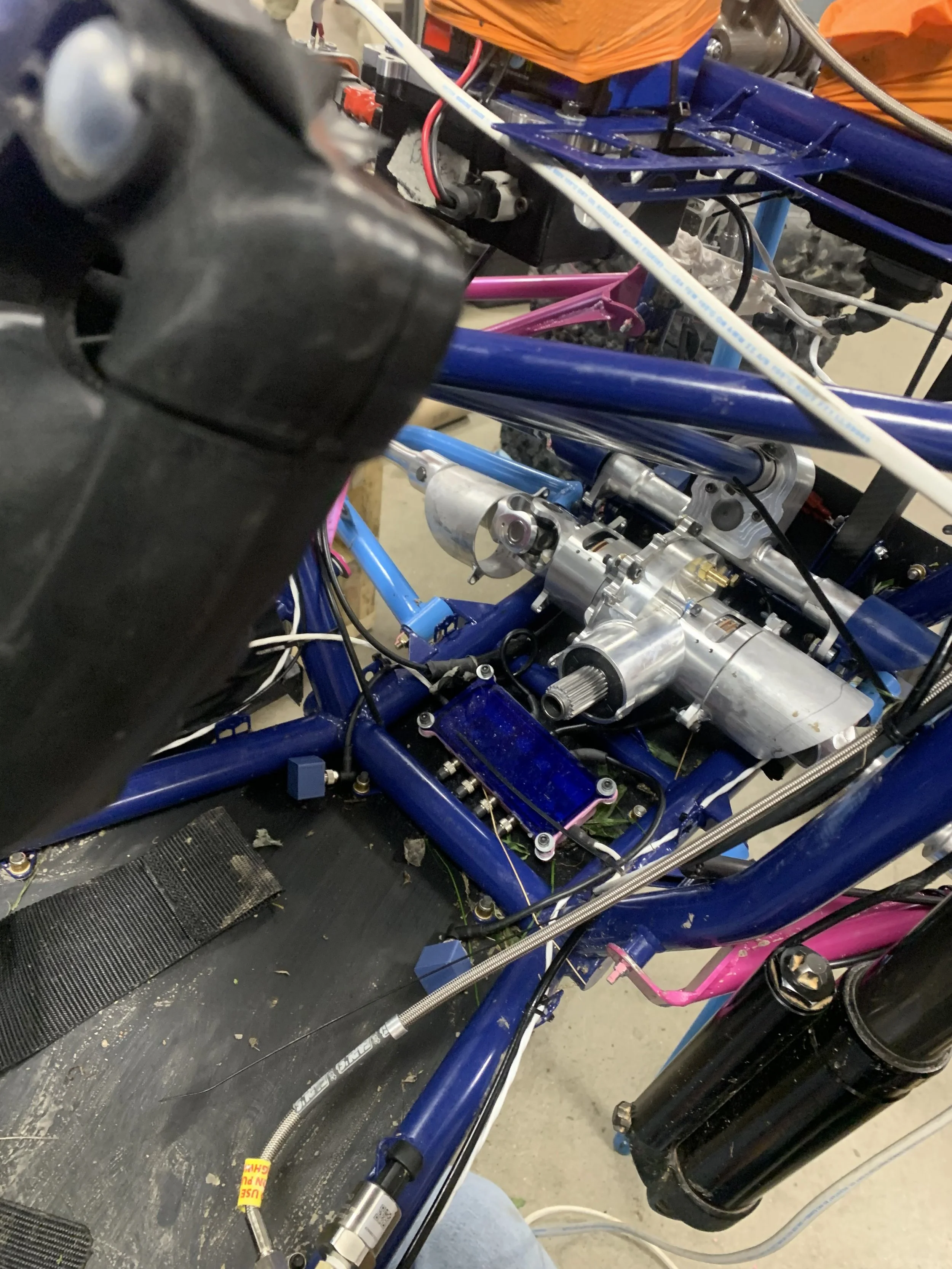
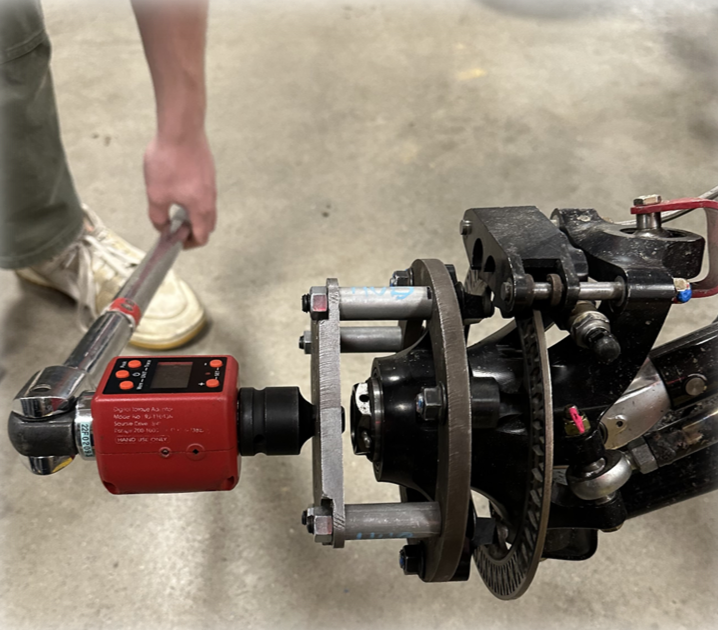
First successful wall climb test validating the redesigned front torque limiter and confirming the required front wheel torque capacity.
SR26 Baja SAE
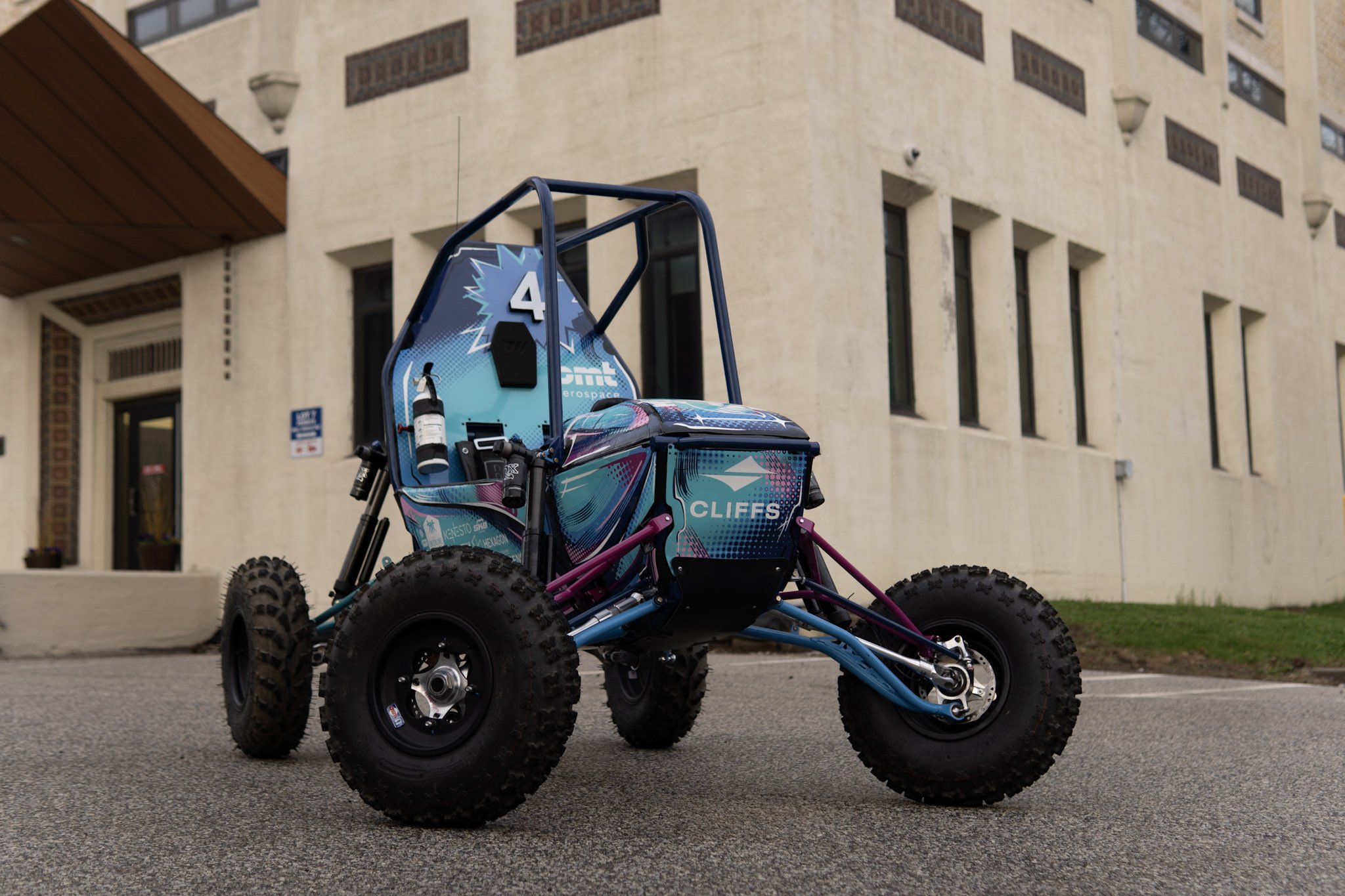
As Race Logistics Lead for CWRU Motorsports during the 2025–2026 Baja SAE season, I was responsible for coordinating vehicle testing and competition readiness while contributing to the drivetrain subsystem through the redesign of the front torque limiter assembly. My primary objective was to ensure the vehicle performed at its highest level by coordinating subsystem validation, identifying reliability concerns early in development, and optimizing vehicle performance before and throughout competition.
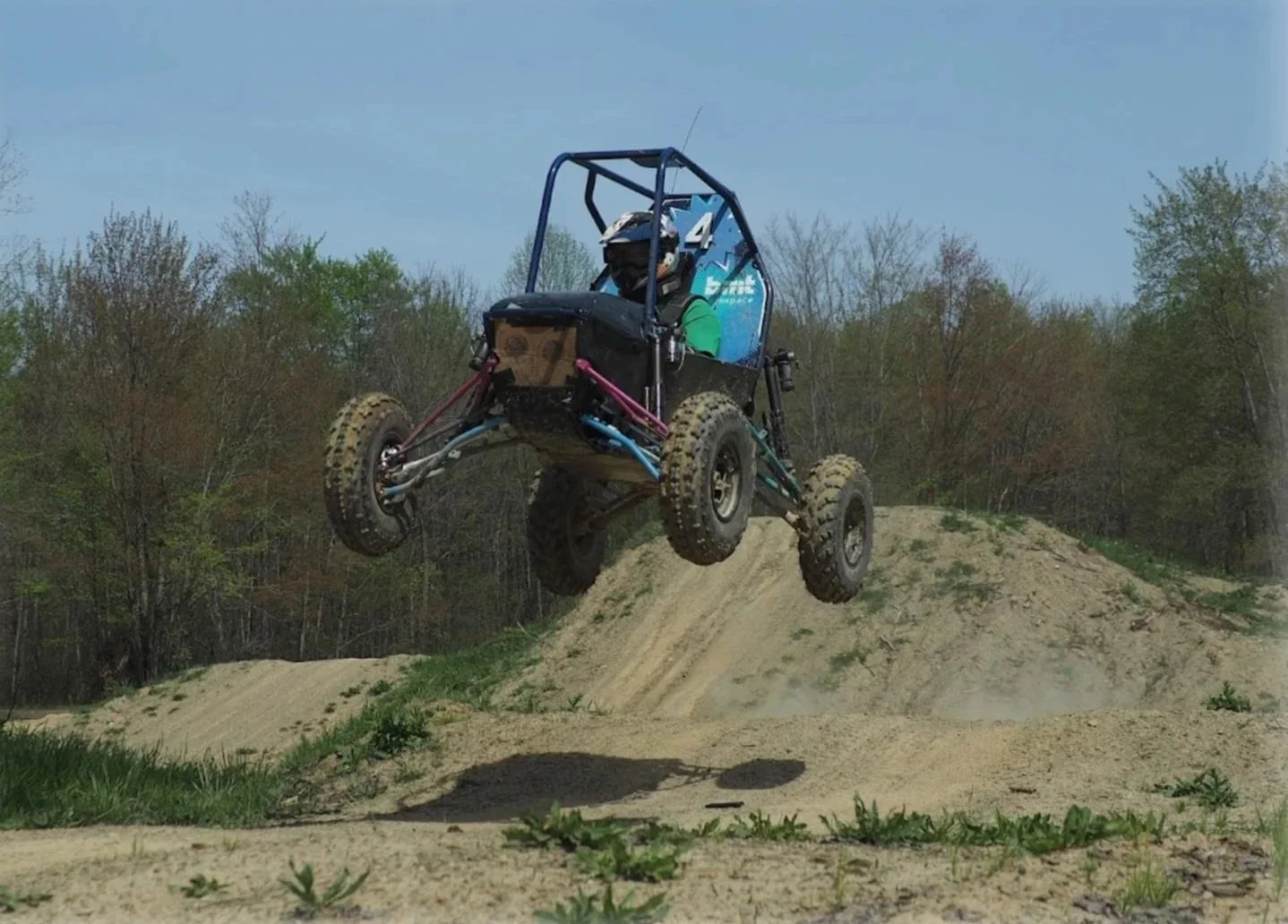
Alongside my race logistics responsibilities, I redesigned the front torque limiter to improve reliability, reduce mass, and achieve consistent four-wheel-drive torque transfer. This involved analytical design, finite element analysis, experimental testing of friction materials, and iterative validation to meet the team's performance objectives. The resulting vehicle has already earned multiple podium finishes, including 1st Overall at Baja Rochester, while the 2025–2026 Baja SAE season continues.
| Design Requirement | Engineering Solution / Result |
|---|---|
| Torque Capacity | Achieve a minimum slip torque of 1650 in-lb per wheel through redesigned clutch geometry and friction stack. |
| Endurance Reliability | Maintain consistent torque transfer throughout a 4-hour endurance race without degradation in performance. |
| Reduce overall assembly mass | 13% reduction from SR25. |
| Improve packaging | Reduced axial length by 0.400 in. |
| Improve serviceability | Reoriented compression bolts and integrated pressed insert nut. |
| Reduce unsprung mass | 3.8% reduction through sprag relocation. |
| Validate design assumptions | Experimental testing increased verified cracking pressure by 300 psi. |
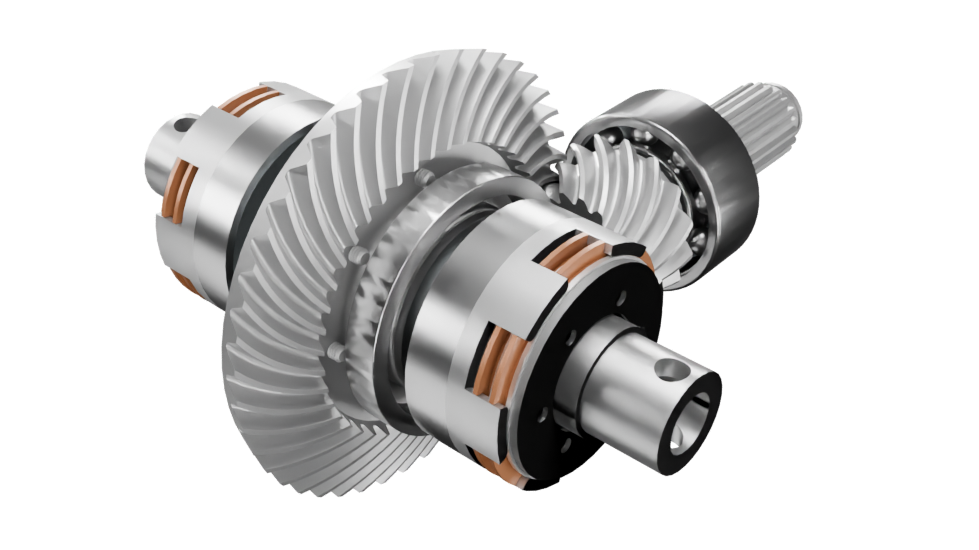
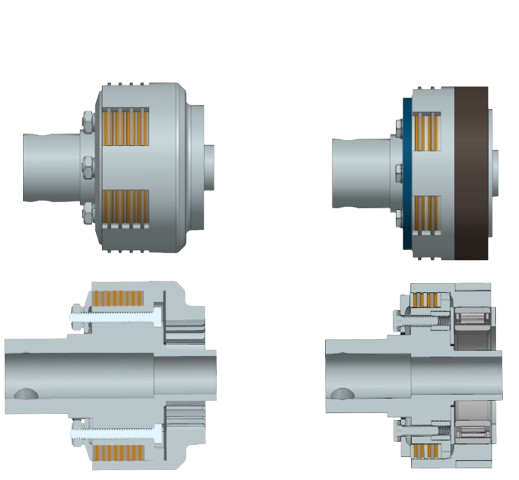
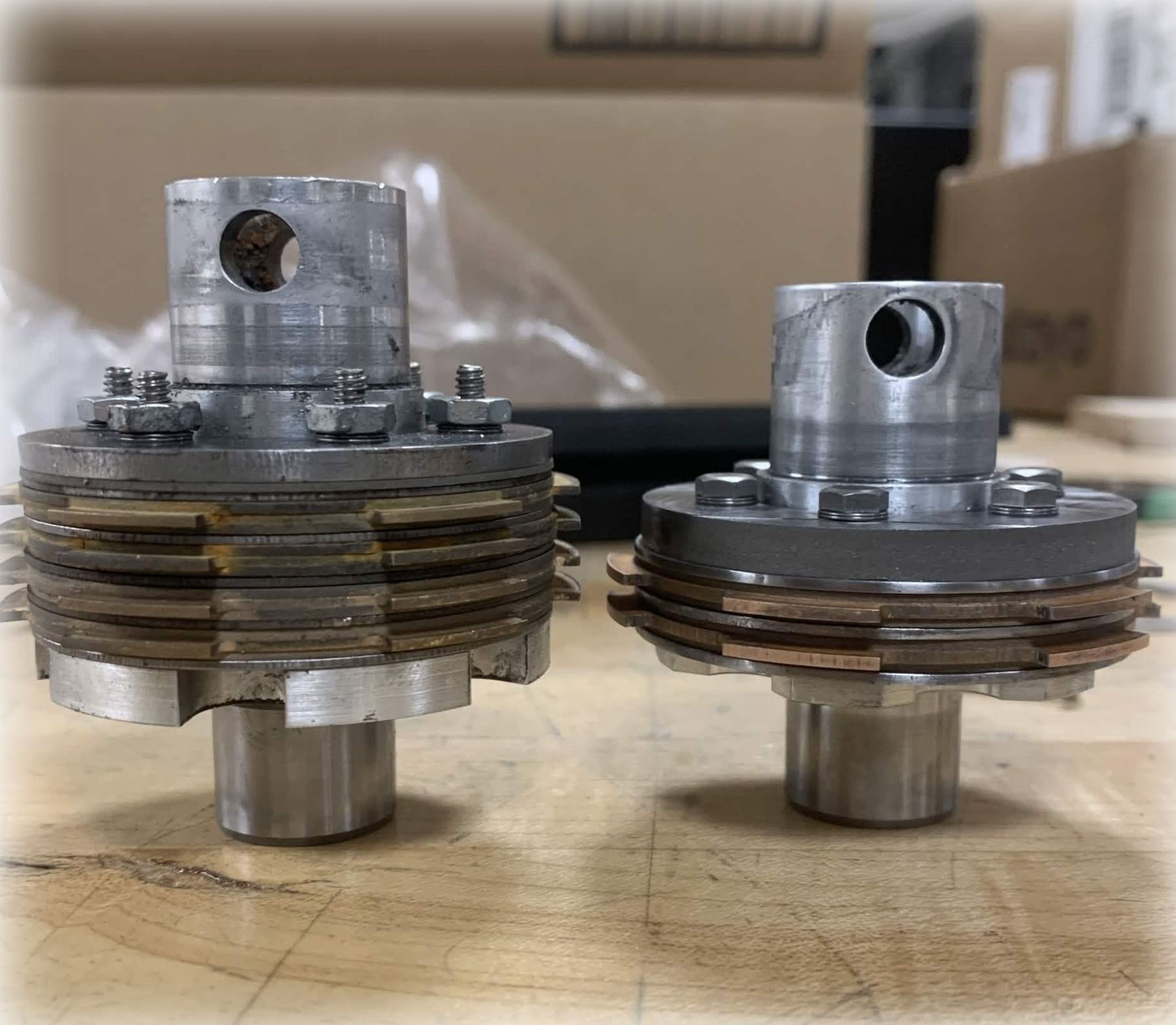
SR25
SR26
Drivetrain
Front Torque Limiter Redesign
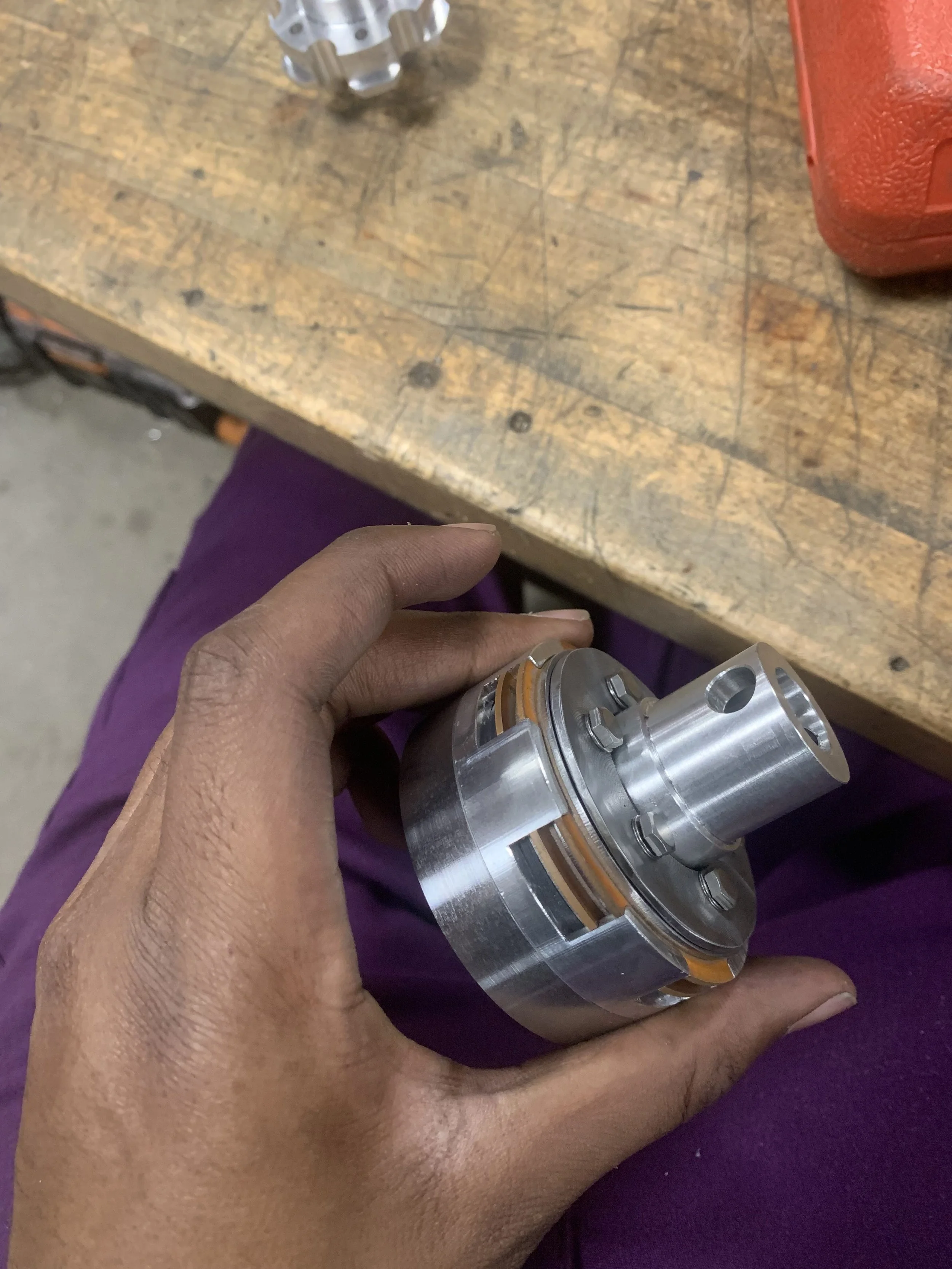
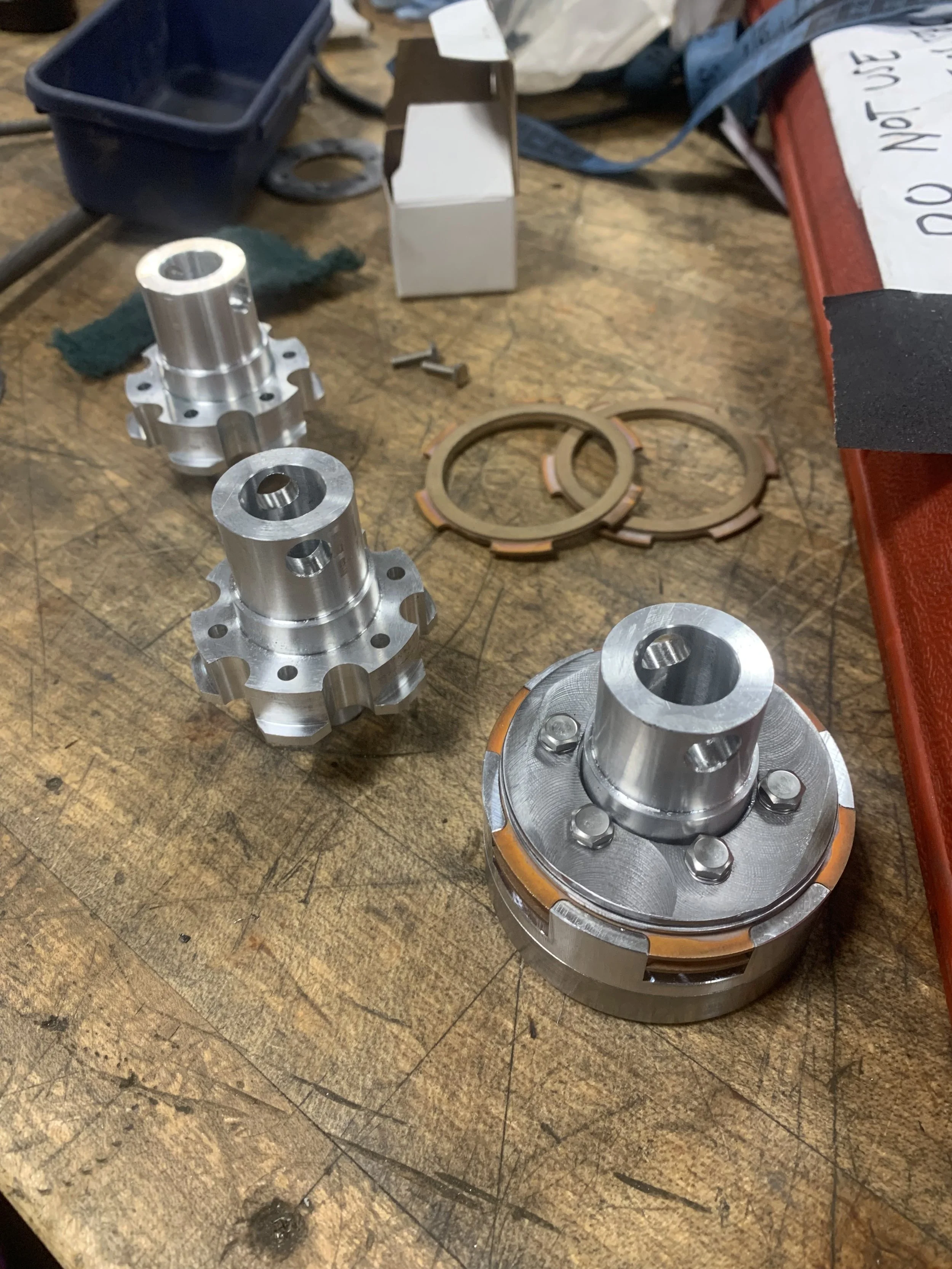
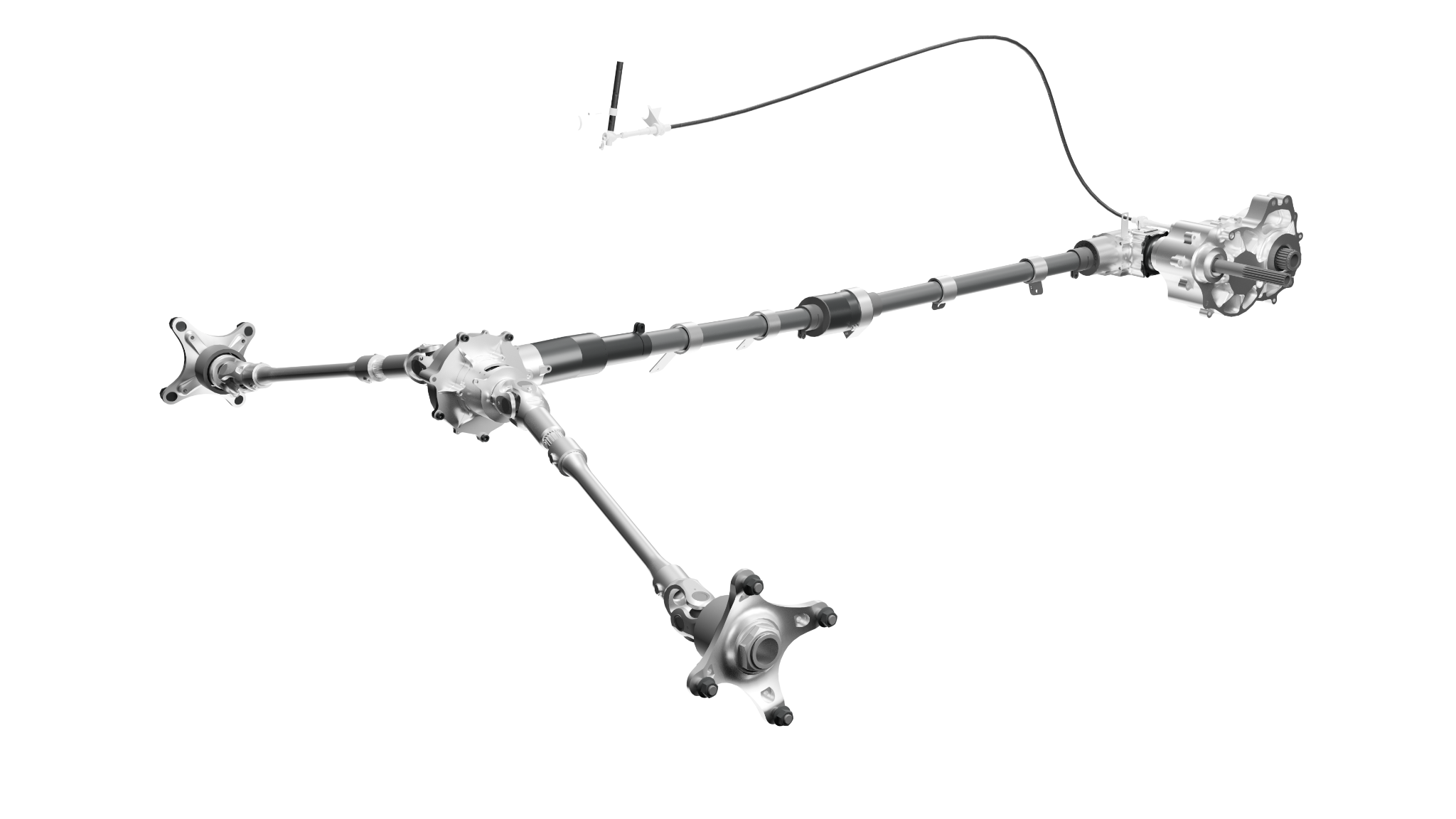
As part of the drivetrain team, I led the redesign of the front torque limiter assembly to address one of the team's primary performance objectives: achieving reliable and repeatable front-wheel torque transfer while maintaining consistent performance throughout the endurance race.
The redesign was driven by two key engineering requirements: reliably achieving a minimum slip torque of 1650 in-lb per wheel while maintaining consistent performance after four hours of continuous four-wheel-drive operation. Previous vehicle generations were unable to consistently achieve the desired front-wheel torque, making this subsystem a critical area for improvement.
Extensive analytical calculations and finite element analysis were performed throughout the design process to verify structural integrity, predict clutch loading, and ensure the required torque capacity was achieved before manufacturing.
Experimental Validation
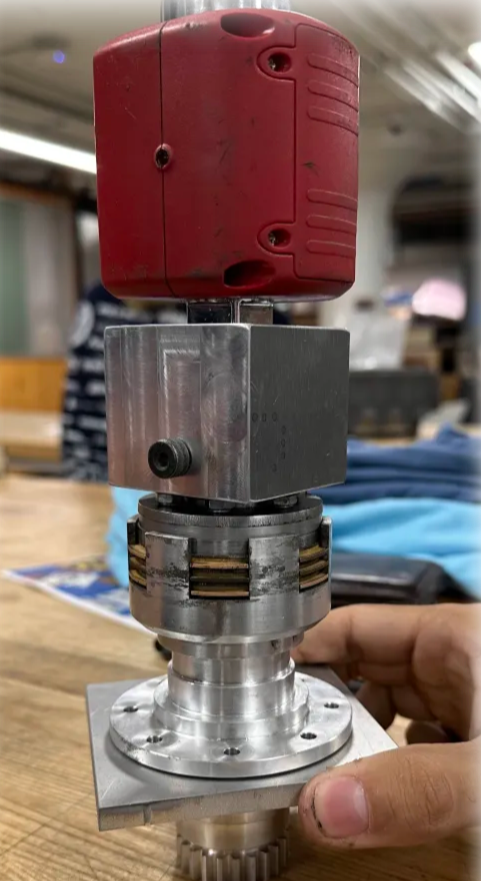
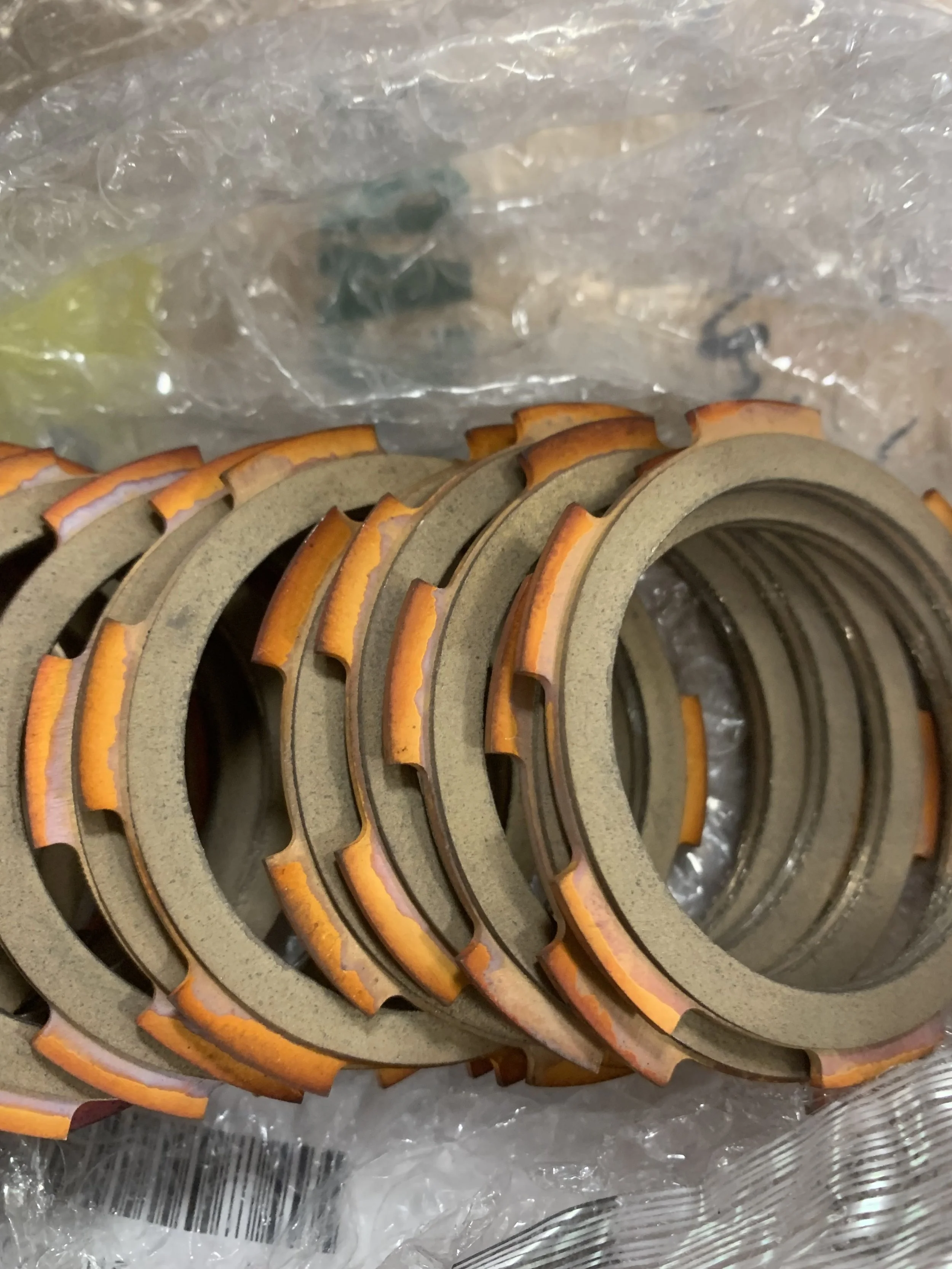
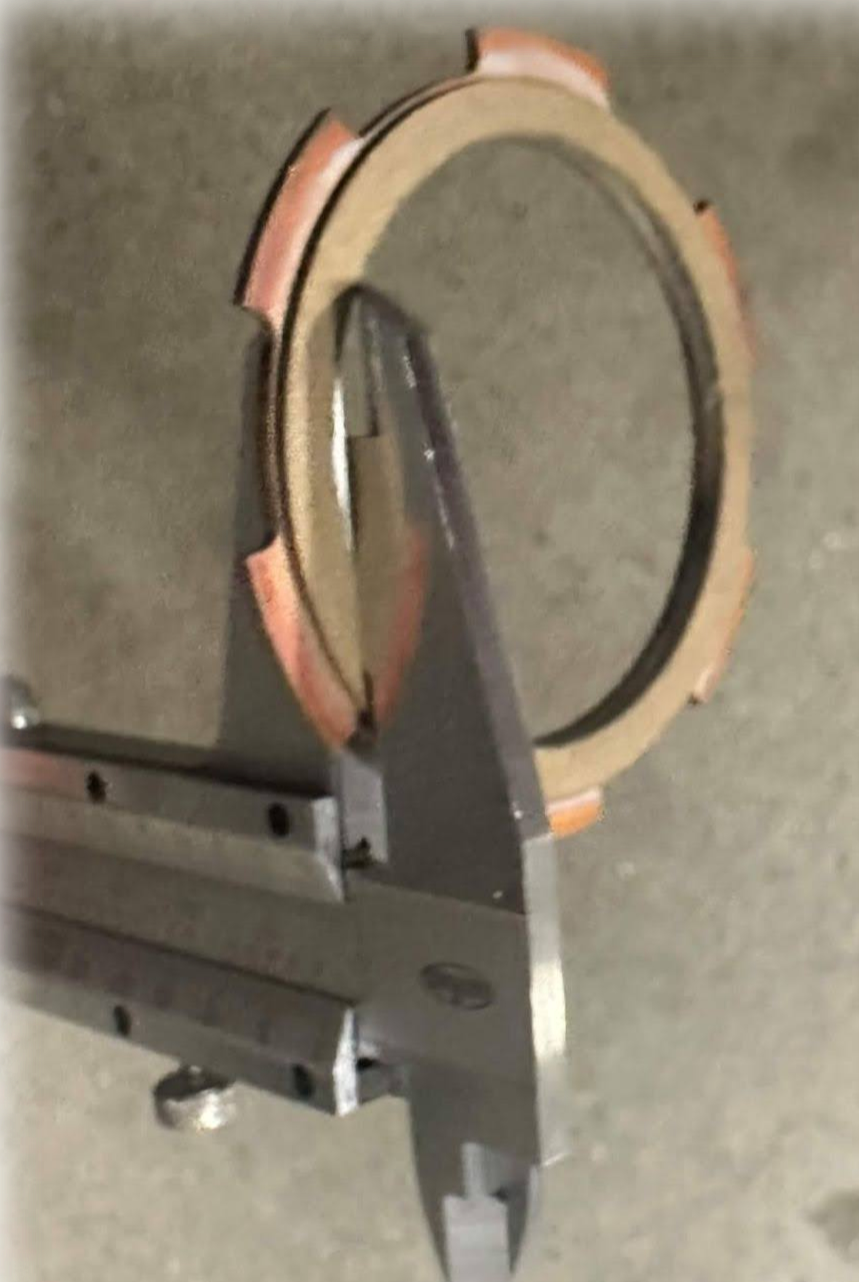
To better understand the behavior of the friction material, I designed and conducted pressure testing on the SR25 torque limiter plates to determine their true failure characteristics. Testing demonstrated that cracking occurred approximately 300 psi higher than previously assumed, providing additional design margin that allowed unnecessary material to be safely removed from the assembly.
The resulting data directly informed the SR26 redesign, enabling a 13% reduction in torque limiter mass while maintaining the required performance and reliability targets.
Key Design Improvements
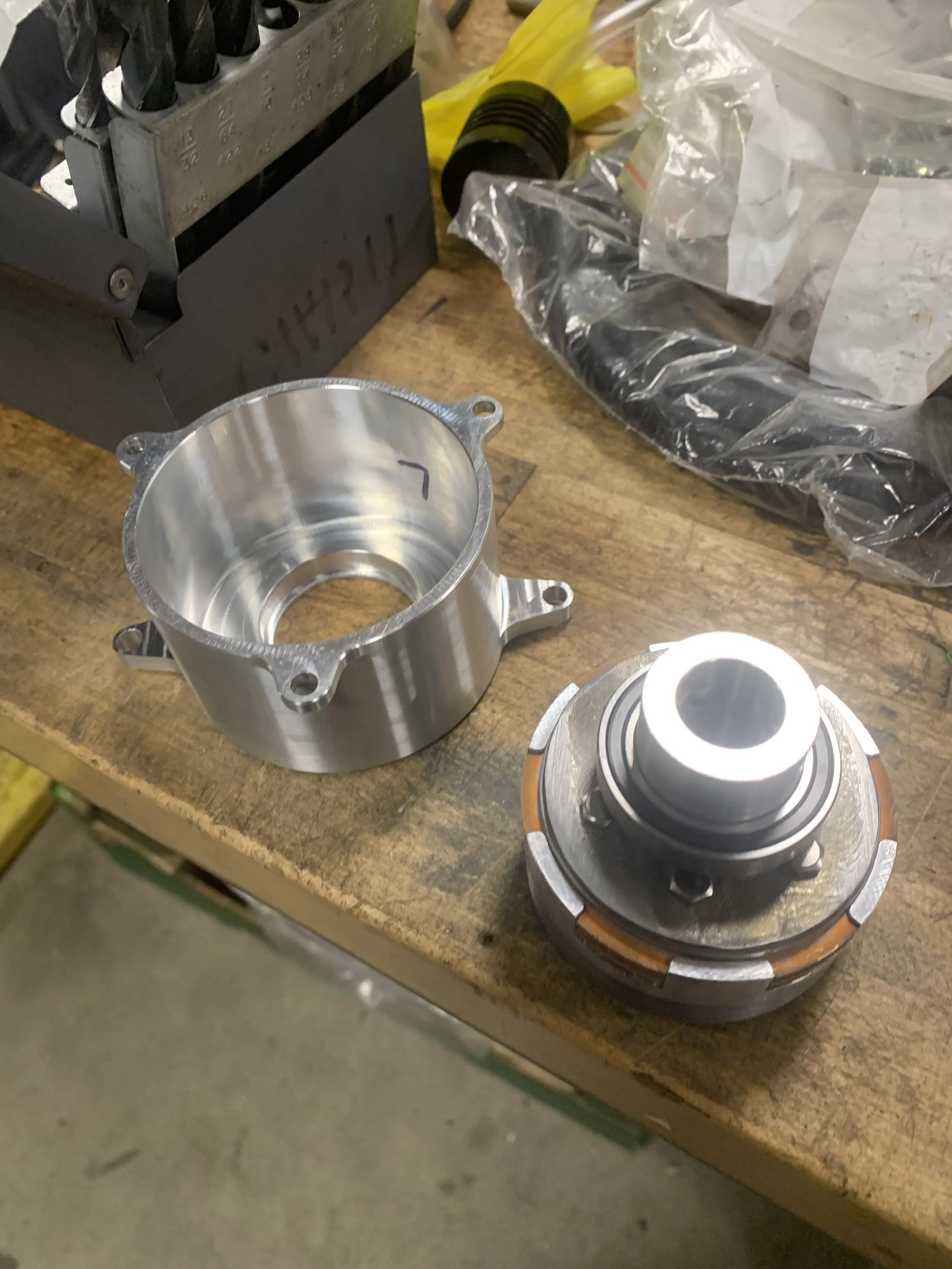
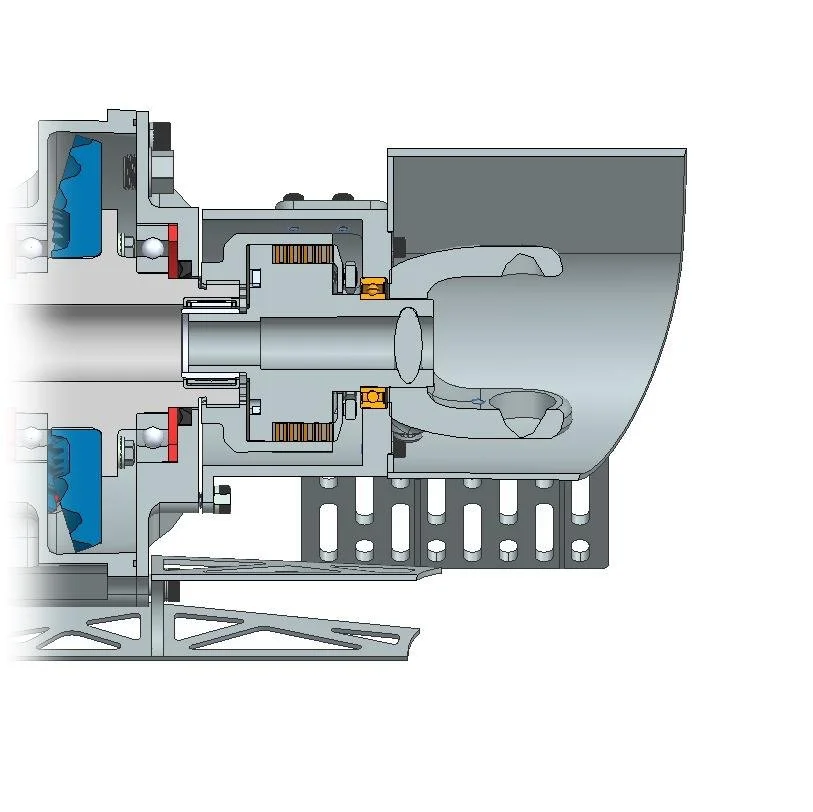
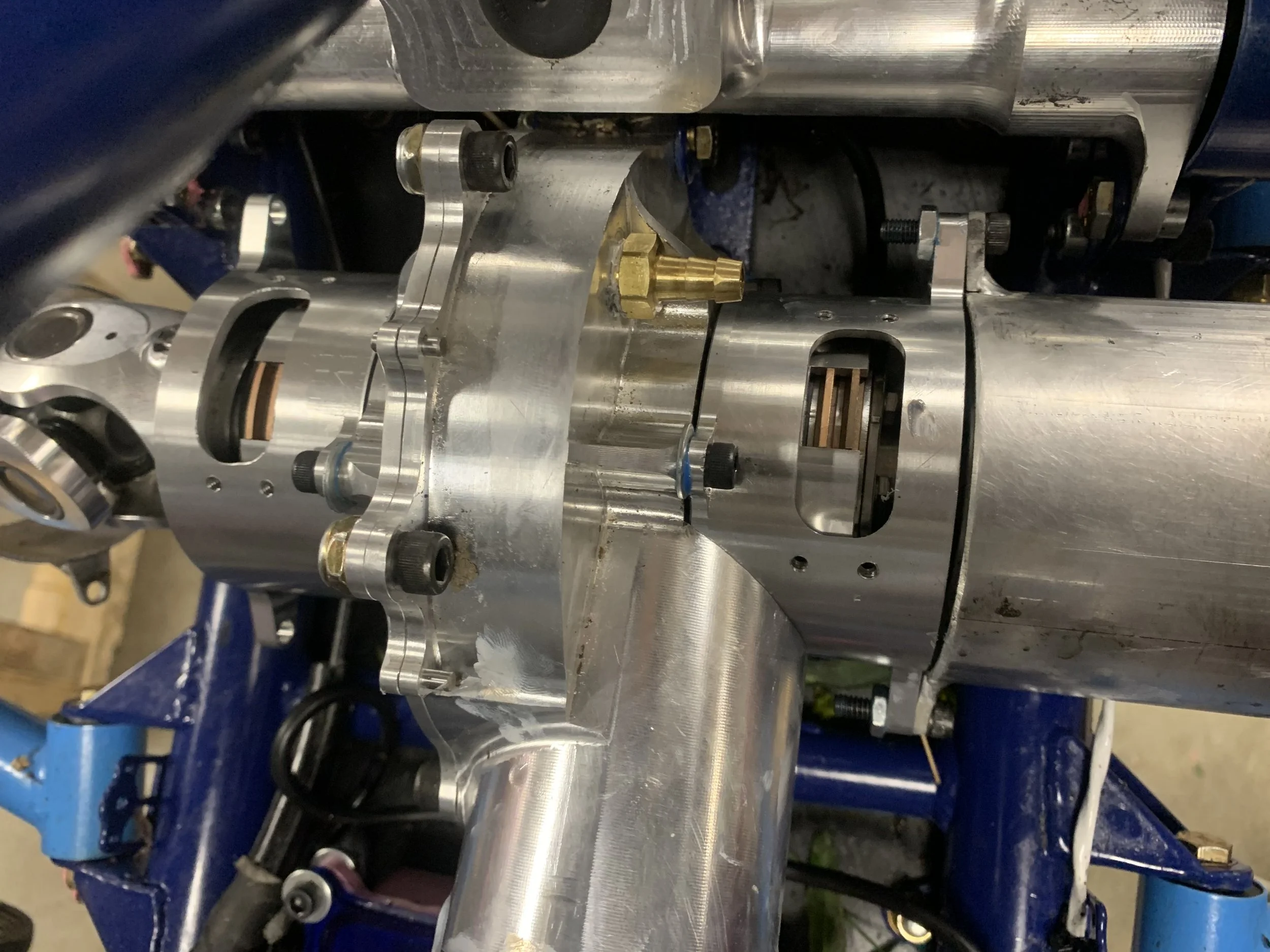
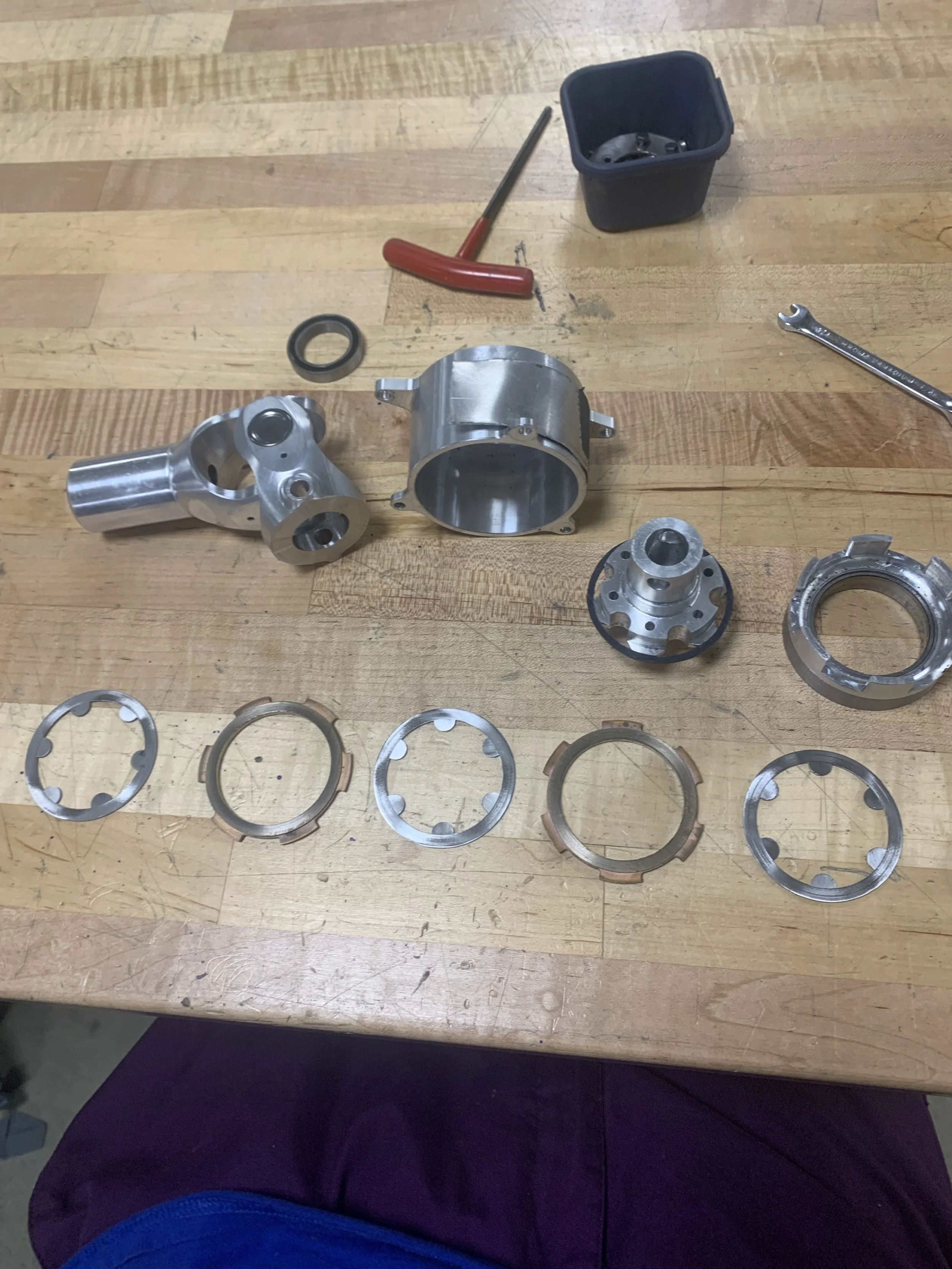
The SR26 torque limiter incorporated several significant mechanical improvements over the previous generation. The assembly's axial length was reduced by 0.400 in, allowing the front suspension geometry to move the driveline inward and eliminate interference with the control arms. Compression bolts were reoriented and a pressed insert nut was introduced to improve assembly robustness and serviceability, while the number of friction interfaces was reduced from eight to four, simplifying the overall mechanism.
The outboard sprag clutch assembly was also relocated inboard after evaluating component mass, reducing front unsprung mass by 3.8% and improving overall suspension performance.